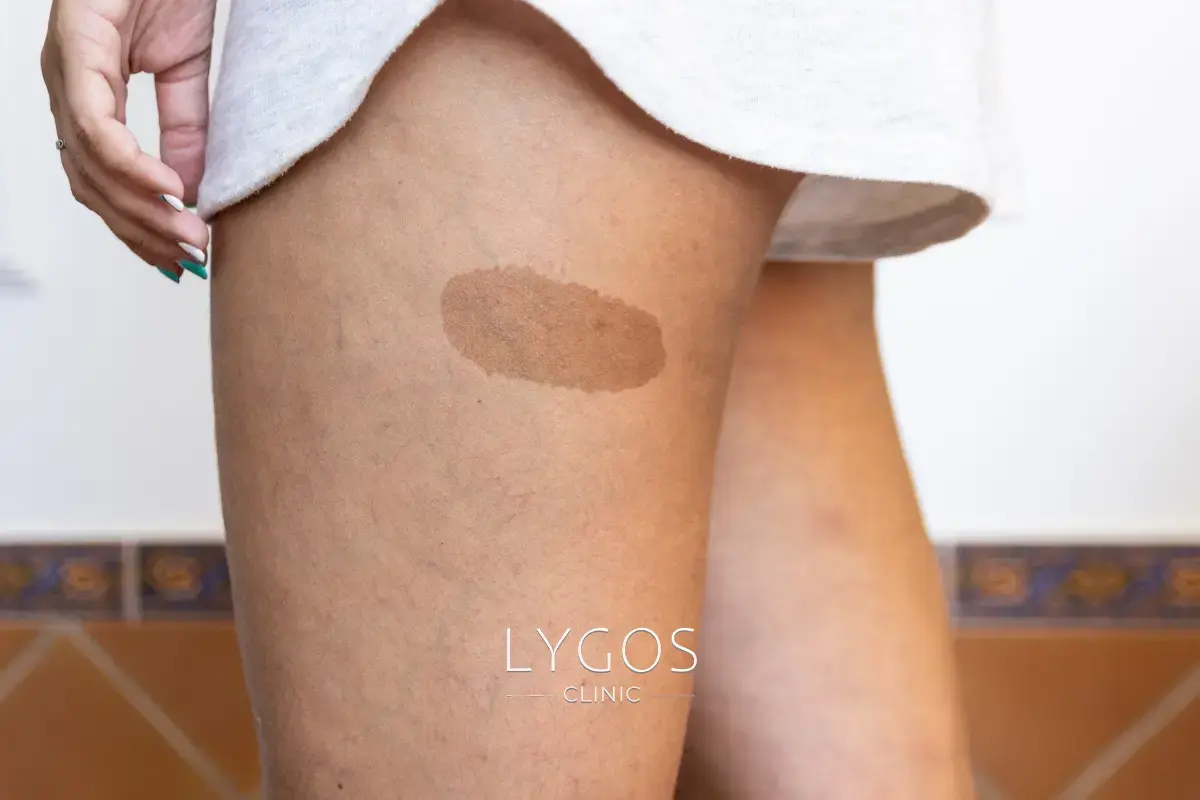
Birthmarks are one of those things people notice early in life and then slowly forget about, until one day they look in the mirror and realize it has changed. Some become lighter. Some almost disappear. Others stay exactly the same for years.
There’s no single reason why a birthmark fades. It doesn’t happen on a schedule, and it doesn’t happen the same way for everyone. A lot depends on what kind of birthmark it is and how deep it sits in the skin.
Some birthmarks are close to the surface. Others go much deeper. That difference alone can explain why one mark fades while another doesn’t.
Why Birthmarks Change Over Time
Skin is always changing. It grows, stretches, renews itself. In babies and children, this happens fast. That’s why many birthmarks look stronger at birth and then slowly soften as the years go by.
Pigment-based birthmarks may spread out as the skin grows, which can make the color look lighter. Vascular birthmarks, which are linked to blood vessels, can also change as circulation and skin thickness change.
Hormones can play a role too. Puberty, pregnancy, and other hormonal shifts sometimes affect color or visibility. Sun exposure may also influence how noticeable a birthmark looks, especially darker ones.
Do All Birthmarks Fade?
No. Some do, some don’t.
Certain birthmarks are known to fade quite a bit, especially in early childhood. Others may never fully disappear but still become less noticeable. And then there are birthmarks that stay almost unchanged throughout life.
This doesn’t mean something is wrong. It’s simply how different skin marks behave.
Can Anything Help a Birthmark Fade?
Sometimes, yes. Sometimes, no.
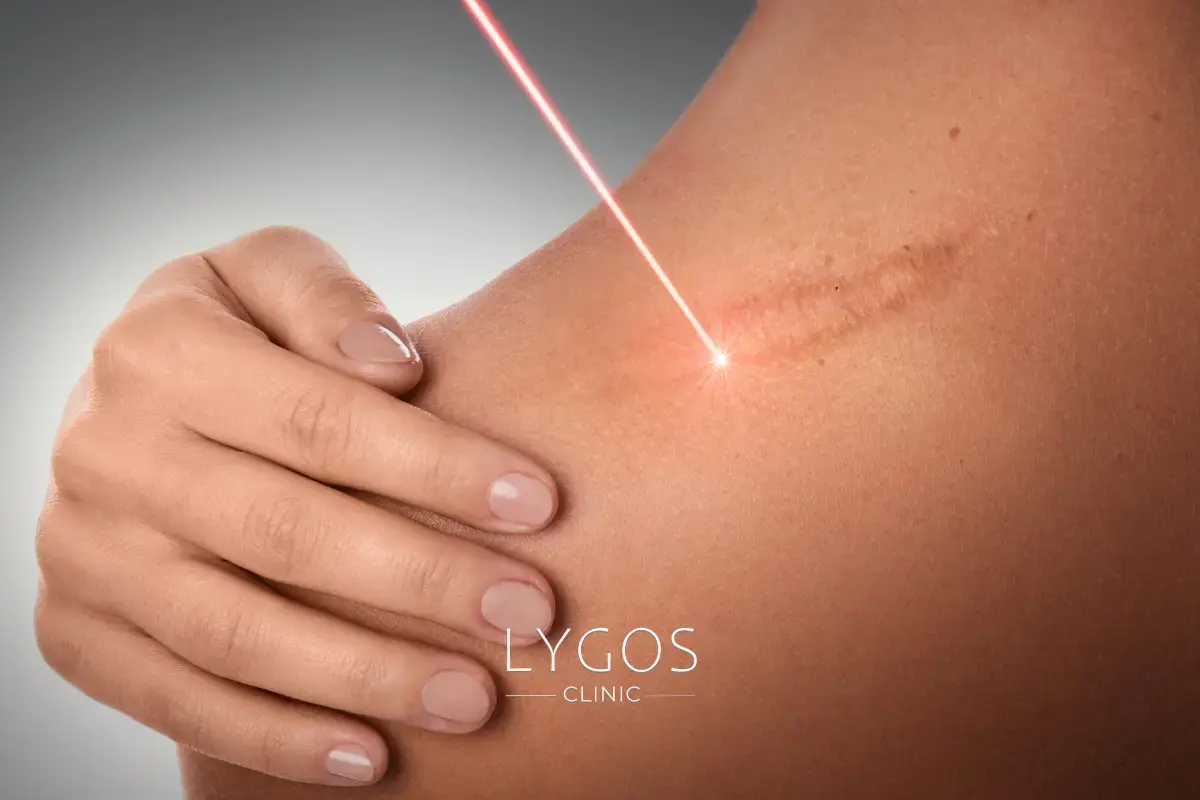
Natural fading happens on its own and can’t really be controlled. Medical treatments exist, but they depend heavily on the type of birthmark. Some marks respond well to laser treatments. Others don’t respond much at all.
This is why professional evaluation matters. Treating the wrong type of birthmark, or treating one that doesn’t need treatment, can do more harm than good.
For many people, doing nothing is actually the best option.
Knowing When a Mark Is a Birthmark
Birthmarks usually show up at birth or shortly after. They stay in the same place and don’t behave like rashes or temporary spots. They don’t come and go. They don’t suddenly spread overnight.
If a mark changes very quickly, bleeds, or looks unusual, that’s when medical advice is important. But a stable mark that’s been there for years is often just that a birthmark.
The Emotional Side of Birthmarks
Not everyone feels the same about their birthmark. Some people barely notice it. Others feel self-conscious, especially if it’s on the face or a visible area.
There’s no correct way to feel about it. Wanting treatment doesn’t mean insecurity, and choosing not to treat it doesn’t mean ignoring your appearance. It’s a personal decision, and comfort matters.