White vinegar is one of those products people trust without questioning much. It sits in almost every kitchen, it’s cheap, and it’s often described as “natural.” Because of that, many people assume it must be safe for skin use as well. Over time, white vinegar has been suggested as a home remedy for acne, skin infections, itching, and even discoloration.
But skin does not work the same way as kitchen surfaces. What cleans a countertop does not always belong on your face or body. When it comes to white vinegar, the risks are often underestimated.
Why People Put White Vinegar on Their Skin
The main reason is its antibacterial effect. White vinegar contains acetic acid, which can kill certain bacteria and fungi. This has led people to believe it can help with acne, athlete’s foot, or odor-causing bacteria.
The problem is that skin health is not just about killing bacteria. Your skin also needs balance, moisture, and protection. Vinegar does not provide those things.
Is White Vinegar Harmful to Skin?
Yes, it can be. White vinegar is acidic, much more acidic than healthy skin can tolerate. When applied to the skin, especially without dilution, it may damage the skin barrier.
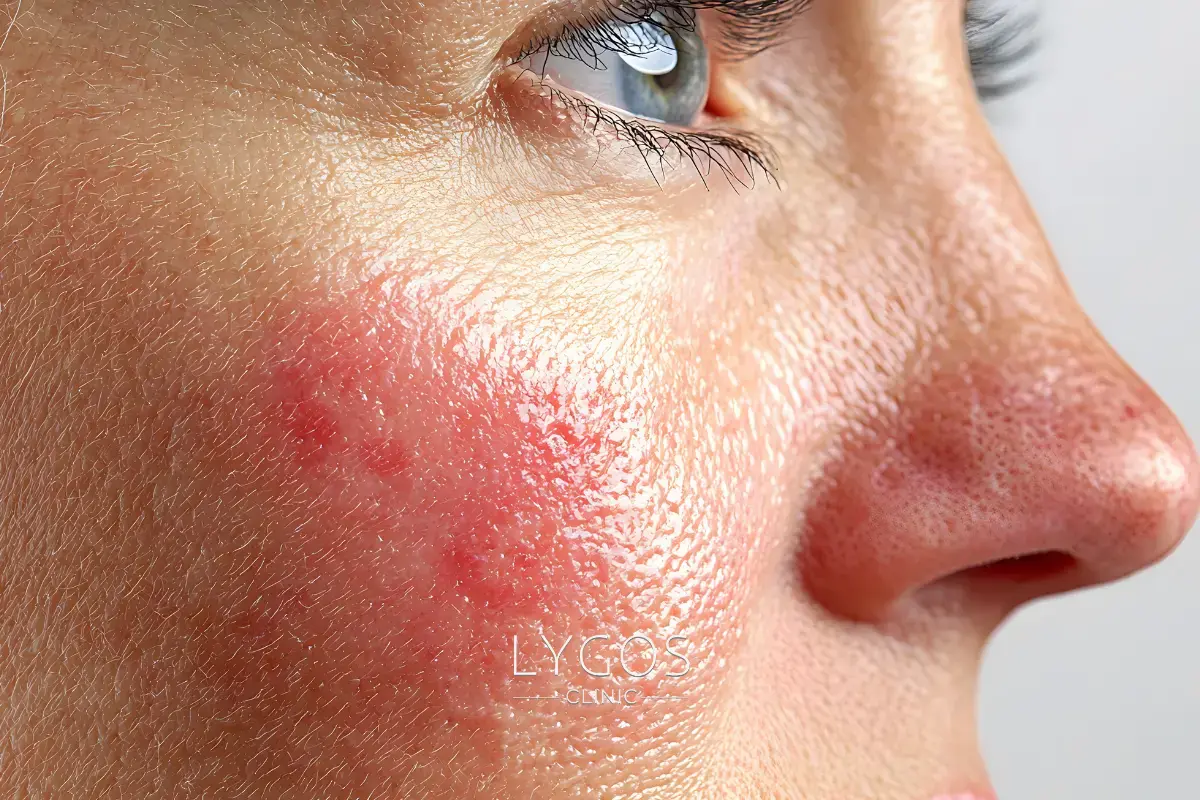
Some people feel a mild sting and assume it is “working.” In reality, that sensation often means irritation. Over time or with repeated use, vinegar may cause redness, dryness, peeling, or even chemical burns.
In clinical practice, skin injuries from vinegar are not rare. Most happen because people leave it on too long or apply it directly.
Is White Vinegar Good on the Face?
No, white vinegar is not a good choice for facial skin. The face is sensitive and constantly exposed to sunlight, pollution, and movement. Adding a harsh acid to that environment increases the risk of damage.
Some people try vinegar for acne, but irritated skin often produces more oil and inflammation, which can actually worsen breakouts. Dark spots and uneven tone may also appear after irritation heals.
There are many facial treatments that are far safer and specifically formulated for the skin’s natural pH.
Can You Put White Vinegar Directly on Your Skin?
You should not. Applying white vinegar directly to the skin is risky. Undiluted vinegar can burn the skin within minutes, especially if covered or used on thin areas.
Even diluted vinegar is unpredictable. Skin reactions vary from person to person, and what causes mild irritation for one person may cause serious damage for another.
Direct application is never recommended by medical professionals.
Where Should You Not Use White Vinegar?
White vinegar should never be used on:
The face or neck
Around the eyes or lips
Open cuts or wounds
Sunburned or peeling skin
Sensitive areas of the body
Children’s skin
Using vinegar in these areas increases the risk of pain, scarring, and long-term sensitivity
What Are the Disadvantages of White Vinegar?
White vinegar has several disadvantages when used on the skin:
It disrupts the natural skin barrier
It can cause burns or irritation
It dries out the skin quickly
It offers no controlled dosage
Results are inconsistent and unsafe
Unlike medical skincare products, vinegar is not tested for topical skin safety.
Safer Options for Skin Problems
If you are dealing with acne, itching, pigmentation, or infections, safer solutions exist. Professionally formulated products are designed to work with your skin, not against it.
At Lygos Clinic, skin treatments are chosen based on individual skin type and medical evaluation. This approach avoids unnecessary irritation and protects long-term skin health.