


What Is Facelight?

Chose Your Topic
What Is Facelight?
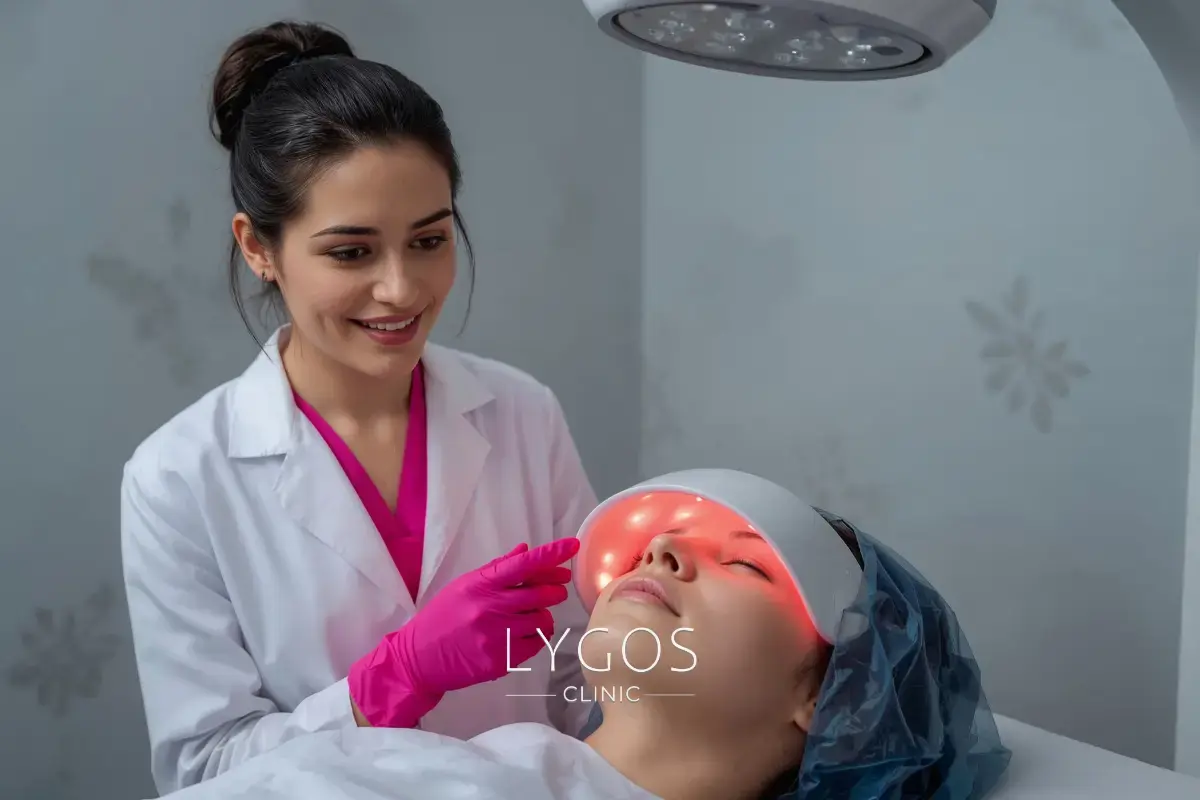
Facelight is a popular name used for LED light therapy facials (also called photobiomodulation). During the treatment, specific light wavelengths most commonly red and blue are applied to the skin to help calm inflammation, support healing, and improve the look of acne, redness, and early signs of aging. It’s non-invasive and typically has no downtime.
What “Facelight” Usually Refers To In Aesthetics
In clinics, “Facelight” often describes a session done with an in-clinic LED panel or LED mask, sometimes as a stand-alone glow treatment and often as a soothing add-on after procedures like peels or certain laser treatments (to reduce visible redness and help comfort the skin).
Because “Facelight” is a naming preference rather than a single standardized brand, the exact wavelengths, power, and protocol can vary by provider. That variation is one reason results can differ from person to person.
How Facelight Works

LED therapy uses visible light (and sometimes near-infrared) to trigger mild biological responses in the skin especially in cells involved in inflammation control and tissue repair. Red light is generally associated with supporting collagen-related processes and calming irritation, while blue light is commonly used for acne-prone skin because it can help target acne-causing bacteria in the surface layers.
Clinical research suggests photobiomodulation may improve the appearance of aging-related skin changes for some people, but it’s not magic, and outcomes depend heavily on device quality, settings, and consistency.
What Facelight Can Help With
Acne-prone skin (inflammatory breakouts)
Professional guidance commonly positions blue/red LED as most helpful for pimples and inflammatory lesions, not blackheads, deep cystic acne, or nodules. It can be a useful add-on to a broader acne plan.
Redness, sensitivity, and post-procedure calming
LED is widely used to reduce visible redness and support recovery comfort, especially after treatments that temporarily irritate the skin barrier.
Early signs of aging (fine lines, dull tone)
Red light therapy is often chosen to support a healthier-looking glow and smoother texture over time, with some evidence suggesting benefit for photoaging-related changes.
Who Is a Good Candidate?
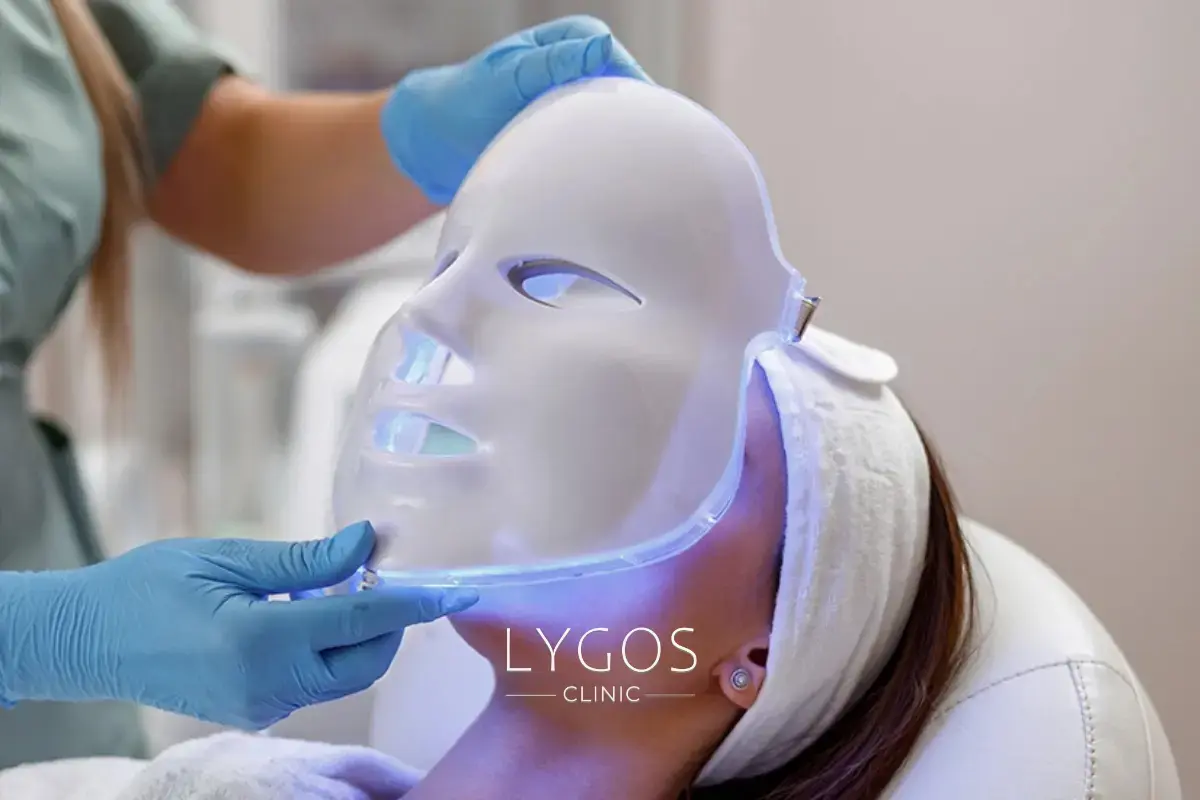
Facelight/LED therapy is generally considered suitable for many skin types because it’s non-ablative and doesn’t rely on heat or chemicals.
That said, it’s not for everyone. A clinician should review your history if you:
- Have a photosensitivity disorder or take photosensitizing medications
- Have active skin infections in the area
- Have epilepsy or light-triggered seizures (some clinics advise avoiding LED mask treatments in this case)
What Happens During A Facelight Session?
1) Consultation and skin assessment
A practitioner checks your skin goals (acne, redness, glow, texture) and chooses the most appropriate light setting. This matters because “Facelight” protocols can vary.
2) Cleansing and eye protection
Your skin is cleansed, and protective eyewear is used when needed.
3) Light exposure (typically 10–20 minutes)
You relax while the LED device delivers the selected wavelengths. Most people describe it as painless and warming or neutral.
4) Aftercare and plan
You can usually return to daily life immediately. Many providers recommend a series for best results, especially for acne or ongoing redness concerns.
Results: What’s Realistic?
Some people notice a temporary “fresh” glow after one session, mainly due to reduced redness and better hydration appearance. Longer-term improvements (acne control, smoother texture, fine lines) are more associated with consistent sessions and combining LED with a smart home routine.
For acne specifically, dermatology guidance emphasizes that visible light helps pimples, but it’s not a full replacement for proven acne treatments when you have moderate to severe disease.
Safety And Possible Side Effects
LED light therapy is generally well tolerated, but side effects can happen:
- Temporary redness or dryness
- Mild irritation (especially if you’re using strong actives like retinoids)
- Rare headache or light sensitivity in susceptible individuals
A good provider will screen your medications and medical history and will adjust settings to your skin’s tolerance.
Facelight At A Medical Aesthetics Clinic: What To Look For
If you’re choosing a clinic for Facelight/LED therapy, focus on:
- Medical oversight (especially if you have acne, rosacea-like redness, or are post-procedure)
- A plan that explains how many sessions and what outcomes are realistic
- Clear guidance on home care (gentle cleansing, barrier support, sunscreen)
At Lygos Clinic, medical aesthetics services are positioned around personalized planning and aesthetic care in Istanbul, which is the right context for treatments like LED therapy to be used thoughtfully—often as part of a broader skin plan rather than a one-off fix.
Frequently Asked Questions (FAQ)
No. Facelight is a non-surgical LED light therapy facial. A facelift is a surgical procedure that lifts deeper facial tissues.
People with certain photosensitive conditions, those on photosensitizing medications, or individuals with light-triggered epilepsy should consult a clinician first and may be advised against it.


