


Crow’s Feet : Causes, Prevention, And Best Treatments

Chose Your Topic
Crow’s Feet: What They Are And How To Treat Them
Crow’s feet are fine lines that form at the outer corners of the eyes, mostly from repeated facial expressions plus age-related loss of collagen and elasticity. Daily sunscreen, sunglasses, and gentle moisturizers can slow them down. For faster smoothing, options like botulinum toxin injections and skin-resurfacing treatments can noticeably soften lines.
What Exactly Are Crow’s Feet?
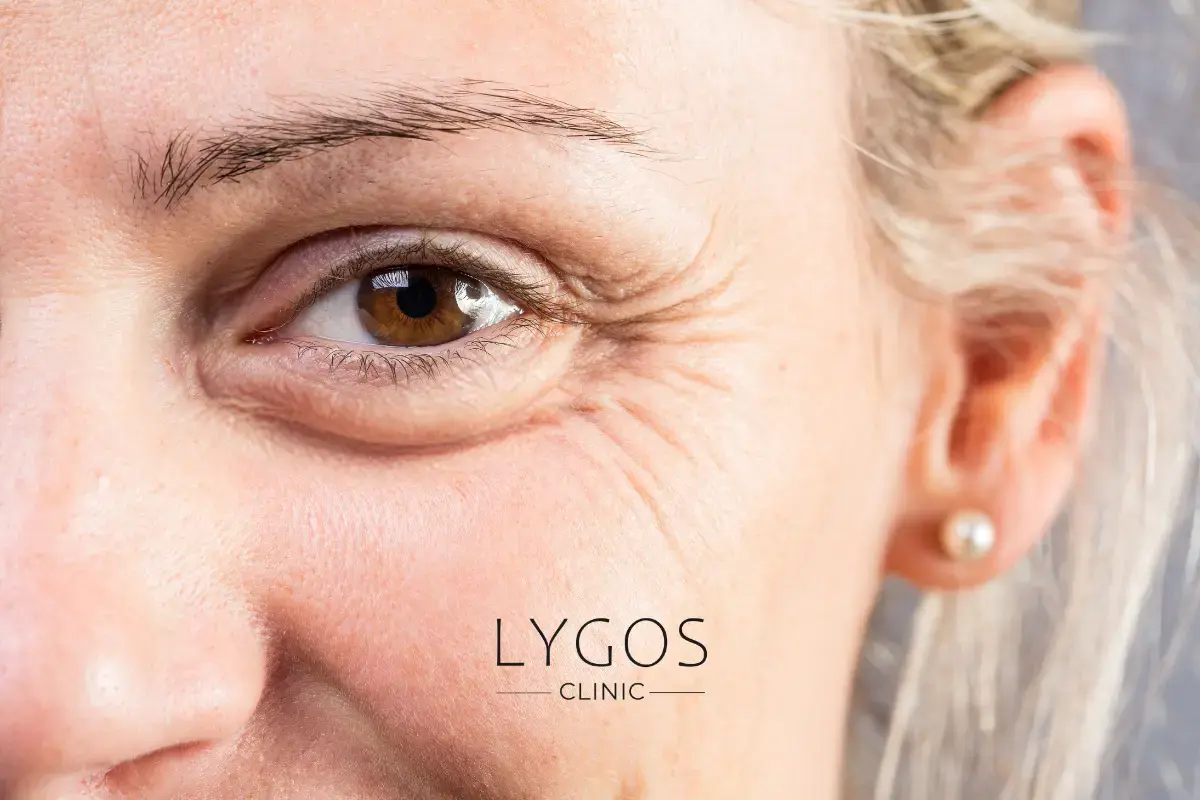
Crow’s feet are the small lines that radiate from the outer corners of your eyes, especially when you smile or squint. In the early stage, they’re “dynamic,” meaning they show up mainly with movement. Over time they can become “static,” staying visible even when your face is relaxed.
Because the skin around the eyes is thin and has fewer oil glands, it tends to show dehydration and sun damage sooner than other areas. That’s why people often notice eye-area lines before deeper wrinkles elsewhere.
Why Crow’s Feet Happen
The main driver is repeated contraction of the orbicularis oculi muscle—the ring-like muscle that closes your eyelids and crinkles the eye area when you smile. With thousands of expressions over the years, the skin folds in the same places again and again.
Aging adds a second push: collagen and elastin naturally decline, and the skin doesn’t “bounce back” as easily. UV exposure accelerates this breakdown, which is why unprotected sun time can make fine lines appear earlier and deepen faster.
Common Risk Factors That Make Them Show Up Sooner
Genetics (some people crease earlier), frequent squinting from bright light or uncorrected vision, and smoking can all speed things up.
When Do Crow’s Feet Usually Start?
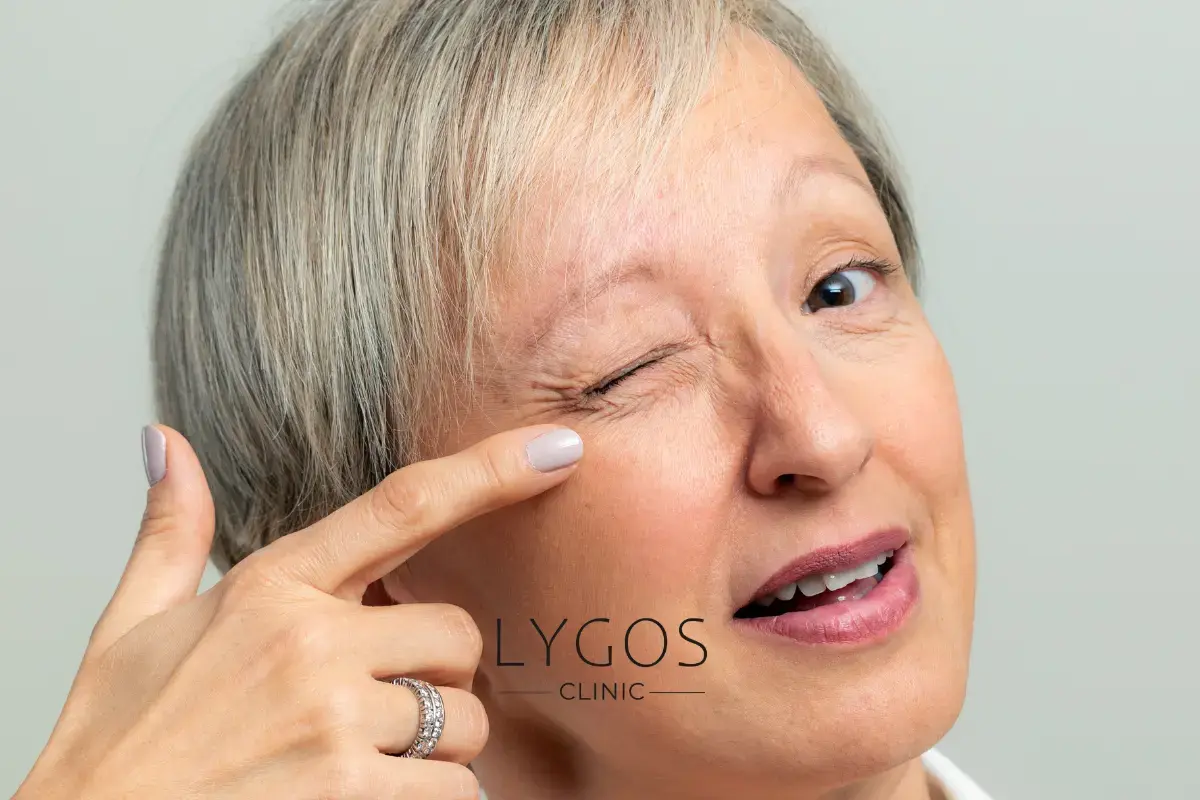
Many people first notice crow’s feet in their 30s, though they can appear in the late 20s or wait until the 40s. The exact timing depends on skin type, sun habits, facial anatomy, and lifestyle.
If you only see lines when you smile, that’s normal and often the earliest stage. When the lines stay visible at rest, it usually means the skin has started to lose more structural support.
How To Reduce Crow’s Feet Without Looking “Overdone”
The best results usually come from combining daily prevention with one targeted treatment. If your lines are mostly dynamic, relaxing the muscle can make the biggest difference. If they’re more static, improving skin quality—hydration, texture, and collagen support—becomes the priority
At-Home Care That Actually Helps
1) Daily Sun Protection
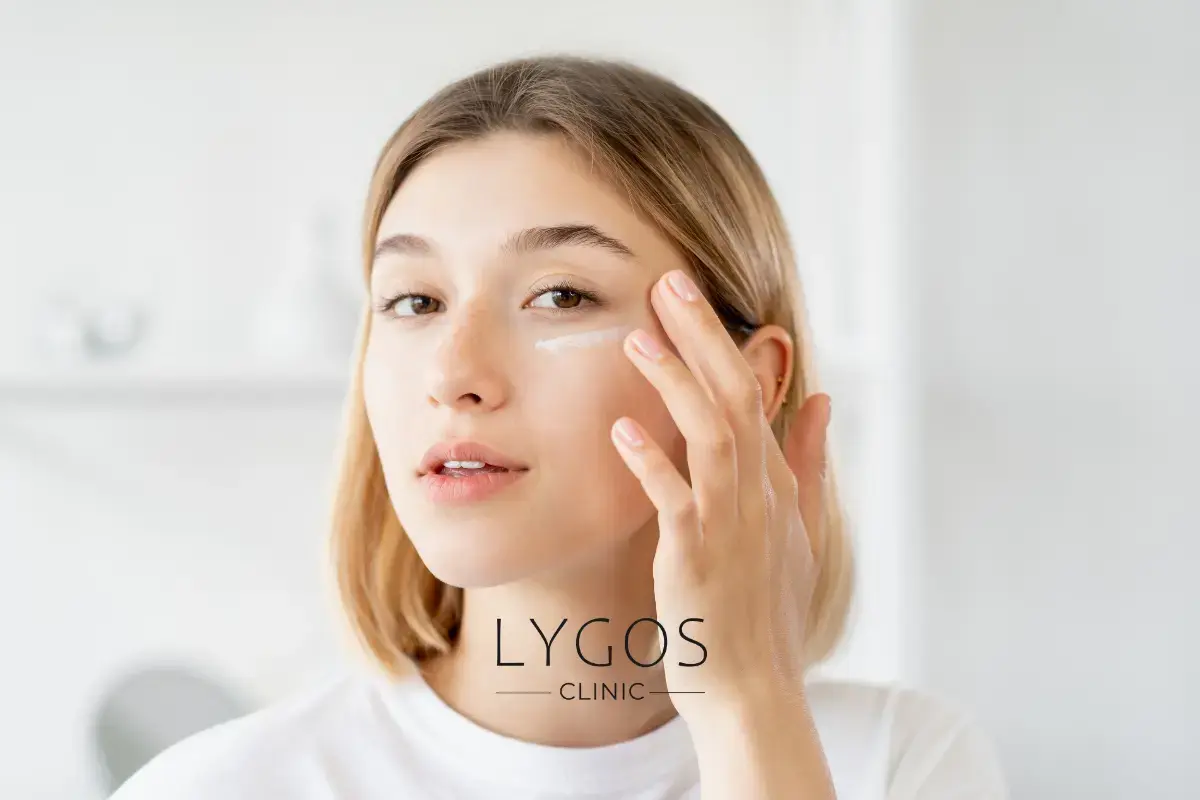
Use a broad-spectrum sunscreen every morning, including around the orbital bone (avoid getting product into the eyes). Pair it with sunglasses to reduce both UV exposure and squinting. Consistency matters more than buying an expensive formula.
2) A Gentle Retinoid (If Your Skin Tolerates It)
Retinoids support cell turnover and collagen, which can soften fine lines over time. For the eye area, choose a product specifically labeled for around-the-eye use, start 2–3 nights per week, and increase slowly. If you’re pregnant, trying to conceive, or breastfeeding, ask your clinician before using retinoids.
3) Hydration And Barrier Support
Look for humectants like hyaluronic acid and glycerin, then seal them with a bland moisturizer. A healthier skin barrier reflects light more evenly, so lines tend to look less sharp. If you’re prone to irritation, fragrance-free products are usually the safest bet.
4) Lifestyle Habits That Pull Their Weight
Don’t smoke, prioritize sleep, and keep stress manageable—your face holds tension more than you think. If you constantly squint, update your prescription lenses and use good lighting. These changes won’t erase lines overnight, but they can slow the pace of deepening.
In-Clinic Treatments With The Most Noticeable Results
Botulinum Toxin Injections
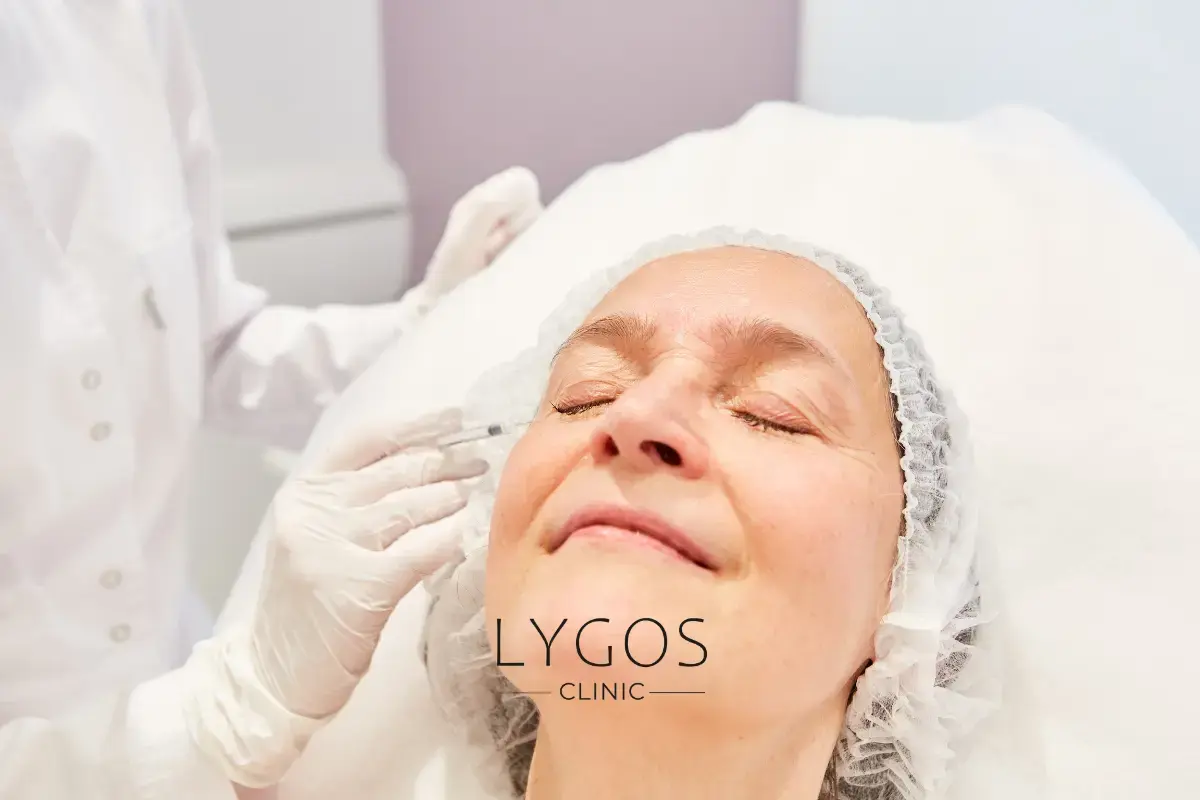
For expression lines, botulinum toxin is one of the most effective options. It relaxes the muscle that creates the crease, which smooths the area while still allowing natural expression when it’s dosed correctly. Results typically appear within days and last a few months, so maintenance is periodic.
Skin-Quality Treatments For Static Lines
If lines remain at rest, treatments that improve texture and collagen can help. Depending on your skin and downtime preferences, options may include microneedling, chemical peels, laser resurfacing, or energy-based tightening treatments. A personalized plan matters because the eye area is delicate and not every device or peel is suitable for everyone.
Dermal Fillers
Fillers aren’t usually the first choice for classic crow’s feet, but they may help in select cases where nearby volume loss affects the eye area. They should be used cautiously and only by experienced medical professionals.
Prevention Tips That Keep Results Longer
Wear SPF daily, reapply when you’re outside, and treat sunglasses as essential. Keep the eye area moisturized, remove makeup gently, and avoid aggressive rubbing that stretches thin skin.
If you’re considering professional treatment, a consultation can help you choose the lightest-touch option that matches your goals. At Lygos Clinic, plans are typically tailored to muscle activity, skin texture, and facial balance for a natural look.
Frequently Asked Questions (FAQ)
You can’t permanently “delete” them, but you can soften them a lot. Daily SPF, sunglasses, and a well-formulated eye routine can reduce how quickly they deepen. For the biggest visible change especially for lines that show when you smile botulinum toxin injections are usually the most effective in-clinic option.
Start with broad-spectrum sunscreen every morning and sunglasses outdoors. Add a gentle eye-safe retinoid at night if your skin tolerates it, plus a hydrating moisturizer with ingredients like hyaluronic acid or glycerin. If irritation happens, scale back—consistent, comfortable skincare beats aggressive routines.
They form from a mix of repeated facial expressions and changes in the skin with age. Smiling and squinting crease the same area thousands of times, and over time the skin loses collagen and elasticity so it doesn’t rebound as easily. Sun exposure and smoking can speed up the process.
Many people notice them in their 30s, but it can be earlier (late 20s) or later (40s). Genetics, sun habits, skin thickness, and lifestyle all influence timing. Early lines that appear only when smiling are common and often the first sign
Olive oil can work as an emollient that reduces dryness, so lines may look temporarily softer. It doesn’t reliably reverse wrinkles, and on some skin types it can clog pores or irritate, especially near the eyes. If you want to try it, patch-test first and consider a fragrance-free eye moisturizer as a safer everyday option

