


Differences Between Male and Female Rhinoplasty

Chose Your Topic
Why Gender-Specific Planning Matters
Rhinoplasty is not a one-size procedure. The same nose shape can look balanced on one face and out of place on another. Surgeons use “male” and “female” patterns as a starting point, then tailor every detail to your anatomy, goals, and ethnicity.
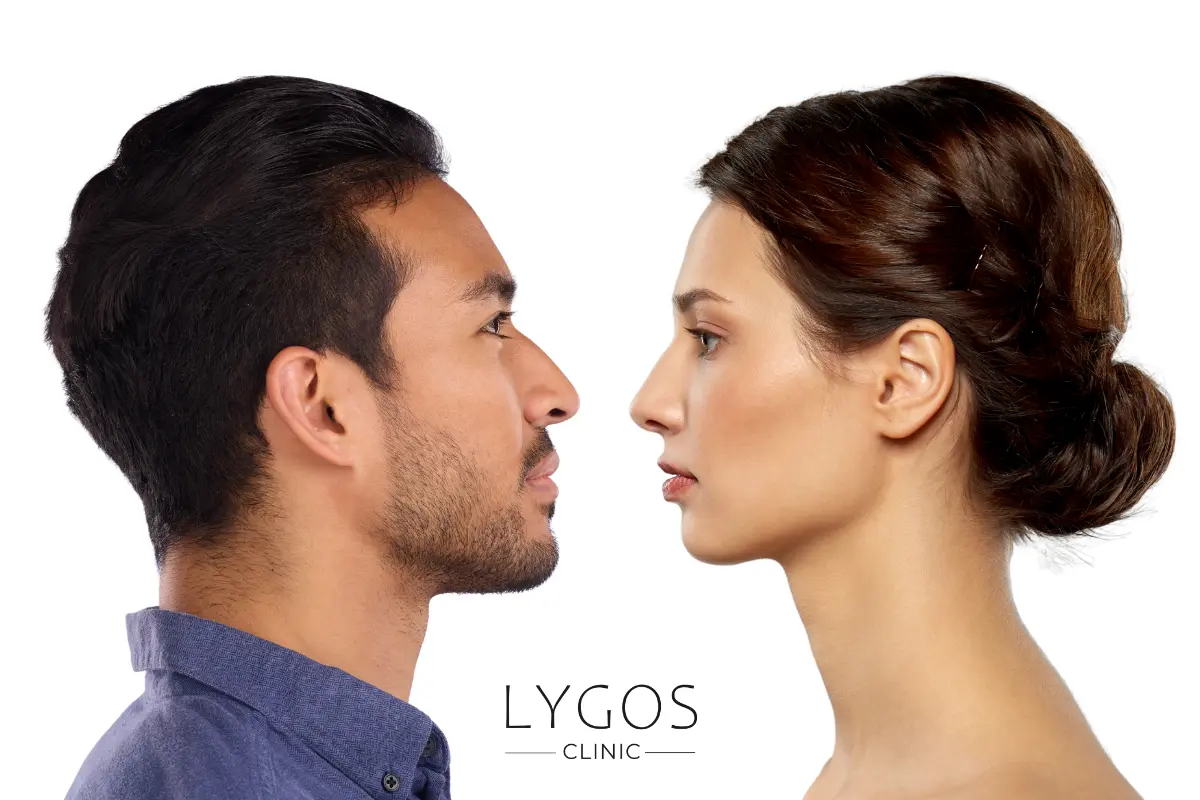
Male and female rhinoplasty differ because faces and tissues differ. Men often want a straighter bridge, controlled tip work, and changes that keep a strong profile. Women more often ask for refined contours or a softer tip, while still avoiding an over‑rotated look. Skin thickness, cartilage strength, and breathing support shape the surgical plan and the final result.
Aesthetic Goals Often Differ
Typical Requests In Male Rhinoplasty
Most men ask for changes that look discreet. Goals often include smoothing a hump without a scoop, straightening a crooked bridge after injury, and refining the tip while keeping it firm and proportional. The main risk is over-reduction, which can shrink projection or rotate the tip too far.
Keep the tape parallel to the floor for circumferences and snug without squeezing. If the tape leaves an indentation, it is too tight. If it slides down or twists, it is too loose or not level.
Typical Requests In Male Rhinoplasty
Women often ask for a cleaner bridge line, a more defined tip, or subtle narrowing that still fits the face. Some prefer a gentle contour in profile, while others want a straight, modern look. The best plans avoid extremes and keep smooth transitions from the bridge to the tip.
Anatomy Differences That Influence Technique
Skin Thickness And Soft Tissue
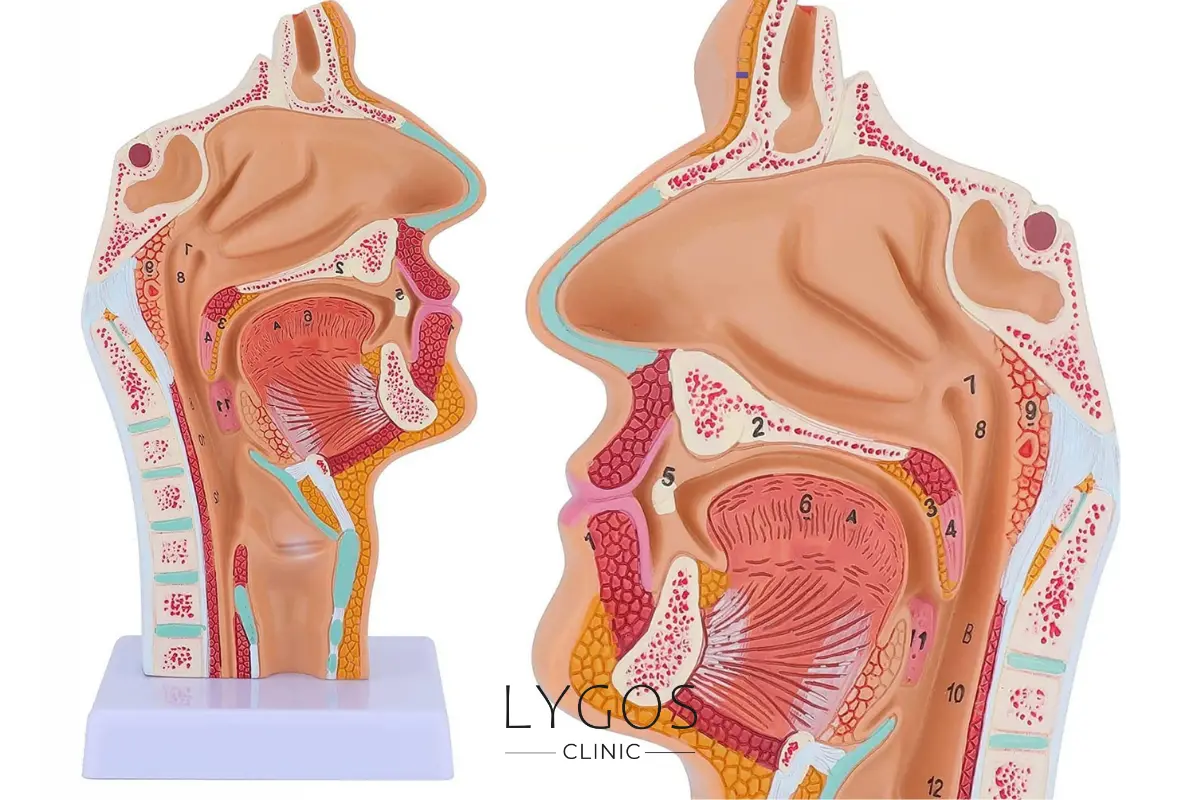
Men frequently have thicker nasal skin, especially around the tip. Thicker skin can hide definition early on, so surgeons rely on strong structure rather than surface shaping alone. Women often have thinner skin, which can show refined contour sooner, but it also reveals small irregularities more easily.
Cartilage, Bone, And Support
Male nasal cartilage and bone are often stronger, which supports long-term stability. A wide bony vault may still need careful narrowing so the front view stays natural. Female noses may have lighter cartilage, so support work helps maintain tip position over time.
Overall Facial Proportions
A nose should match the forehead, cheekbones, lips, and chin. Many men have a stronger brow and jawline, so a slightly wider bridge and a straighter dorsal line can look natural. Many women have softer facial contours, so modest refinement may be enough to create harmony without shrinking the nose too far.
Key Surgical Differences Surgeons Consider
Bridge Shape And Narrowing
In male rhinoplasty, hump reduction is usually paired with a straight, solid-looking bridge. When narrowing is needed, the surgeon tends to stay conservative so the bridge still fits broader facial features. In female rhinoplasty, narrowing may be slightly more noticeable, yet the goal remains a natural width that supports balanced light reflection.
Tip Rotation, Projection, And Definition
Tip position has a big effect on gender read. Men usually benefit from a neutral rotation and a tip that stays a touch wider, which keeps the nose looking strong. Women may suit a slightly higher rotation and more definition, but the tip should still look soft and unforced. A sharp or pinched tip rarely looks natural on any face.
Tip Rotation, Projection, And Definition
Support is what keeps a result stable years later. Surgeons may use cartilage grafts to reinforce the bridge, the tip, or the nasal valves, especially when reducing size or correcting collapse. This step is common in both male and female rhinoplasty, though men with thicker skin may need stronger framework to show clean definition.
Breathing Comes With The Aesthetic Plan
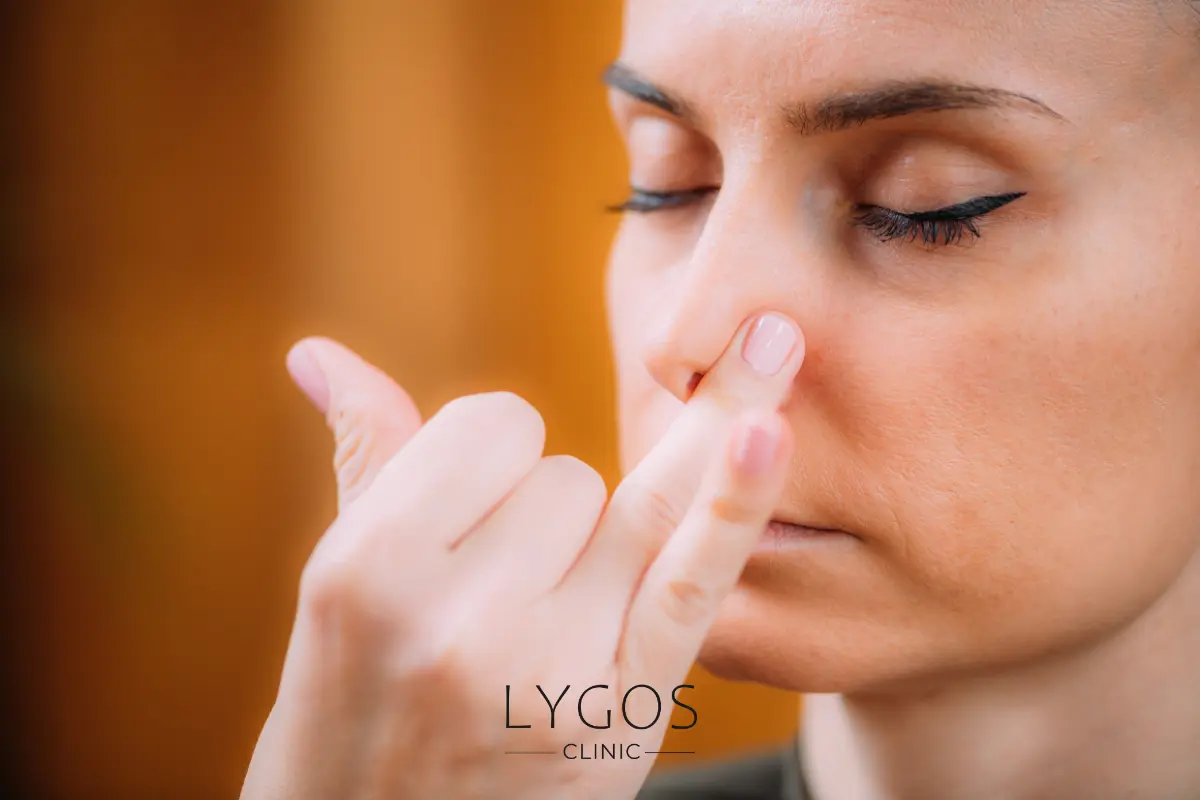
Cosmetic changes can affect airflow, so functional assessment is part of good planning. Septal deviation, valve weakness, and turbinate enlargement can all contribute to blockage. Correcting these issues during rhinoplasty helps protect comfort, sleep, and exercise tolerance after healing.
Recovery: What Usually Feels Different
Most people return to non-physical work within 7–14 days, depending on bruising and energy. Men with thicker skin may notice tip swelling lingering longer, while women may see definition sooner but also notice minor changes more easily. Final refinement takes months as swelling gradually resolves and tissues settle around the new structure.
How To Choose A Natural-Looking Direction
Bring clear priorities to your consultation: what you want to change, what you want to keep, and any breathing issues. Reference photos help when you explain the specific details you like. At Lygos Clinic, planning centers on balance and stable support so results look like you, not a trend.
Frequently Asked Questions (FAQ)
Pricing usually depends on complexity, surgeon expertise, and whether functional corrections are needed. Gender alone doesn’t determine cost.
It shouldn’t. Over-reduction is avoidable with careful planning, conservative narrowing, and strong structural support.
Yes. Many women prefer a straighter dorsal line and less tip rotation. The best shape is the one that suits the face, not a gender template.
The basics are similar. Swelling patterns can vary, often due to skin thickness and structural work rather than gender itself.
A good rhinoplasty plan is built around your facial proportions, nasal anatomy, and lifestyle, not assumptions. Lygos Clinic approaches male and female rhinoplasty with the same priority: stable breathing, balanced structure, and a result that looks like it belongs on your face.
If you’re considering rhinoplasty, a detailed consultation is the smartest first step. It’s where goals become a realistic surgical plan—and where “natural” gets clearly defined for you.
