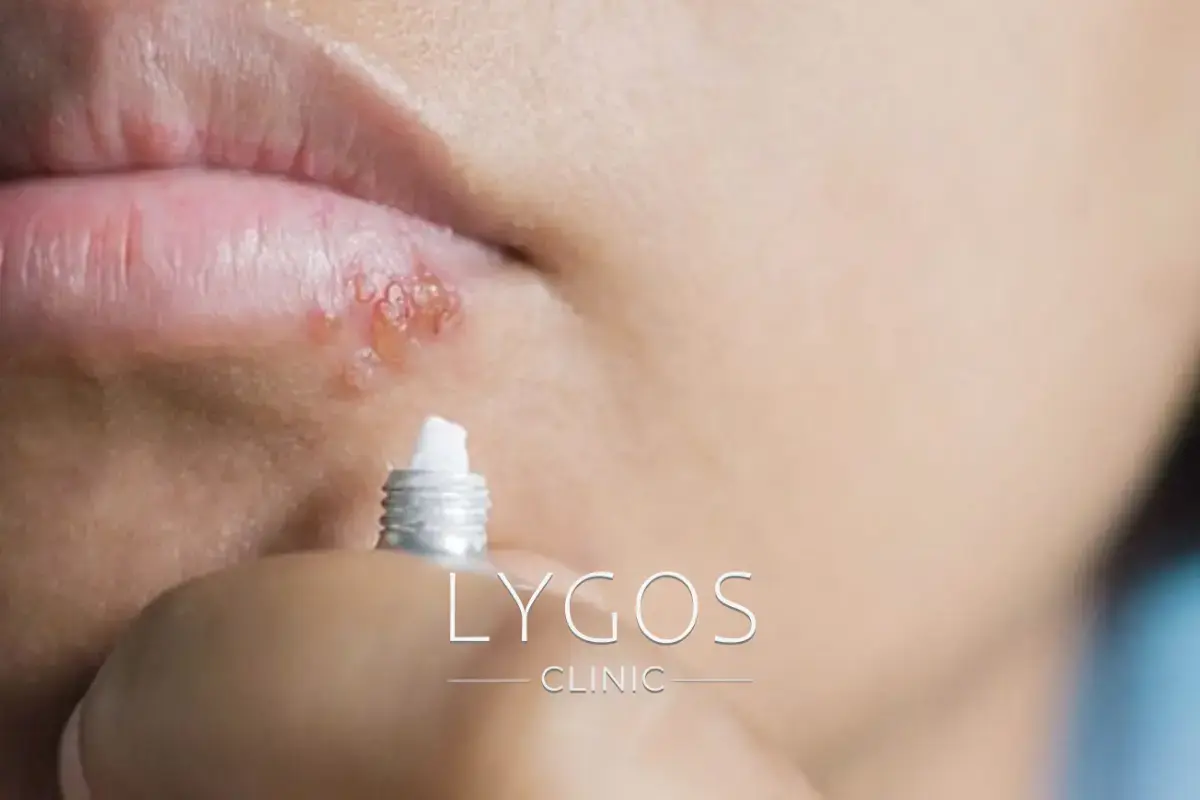
Cold sores, commonly known as fever blisters, are small, painful lesions that appear around the lips. They are caused by the herpes simplex virus (HSV-1), which stays in the body for life and can reactivate during certain triggers like stress, fatigue, or a weakened immune system.
Although cold sores usually heal on their own within 7–10 days, the discomfort and appearance often lead people to seek faster solutions.
Treating a cold sore early ideally at the tingling or burning stage can significantly shorten the healing time. In this guide, we explain what helps a cold sore heal quickly, which treatments dry it out, and what creams or home remedies may reduce symptoms.
What Heals a Cold Sore the Fastest?
The fastest way to treat a cold sore is to use antiviral medication as soon as the first symptoms appear. Prescription antiviral creams or oral tablets such as acyclovir, valacyclovir, or famciclovir can slow the virus and shorten healing time. The earlier they are used, the more effective they become.
Cold compresses, keeping the area moisturized, and avoiding irritation can also speed up recovery. Hydration, adequate rest, and reducing stress during an outbreak help the immune system respond more efficiently.
What Dries a Cold Sore Quickly?
If your goal is to dry the blister, several options may help:
Cold sore patches that absorb moisture
Zinc oxide creams
Lysine ointments
Alcohol-based gels (used carefully to avoid irritation)
Drying the sore does not heal it entirely, but it helps create a protective layer that prevents further cracking and reduces the risk of spreading the virus.
Creams That Help Treat Cold Sores
Many people prefer topical creams to manage pain and shorten healing time. Some options include:
1. Antiviral Creams (Most Effective)
Acyclovir cream
Penciclovir cream
These work best when applied at the first sign of tingling.
2. Moisturizing Balms
Products containing petroleum jelly, lanolin, or ceramides can prevent cracking and promote healing.
3. Lysine-Based Creams
Lysine is an amino acid that may help slow viral activity and support healing.
4. Zinc or Lemon Balm Creams
Both ingredients have mild antiviral properties and may reduce inflammation.
Does Toothpaste Help a Cold Sore?
Toothpaste is a popular home remedy, but it is not medically recommended. While toothpaste may temporarily dry the area, it often irritates the skin and slows healing. Some ingredients like sodium lauryl sulfate can worsen inflammation or cause burning sensations.
It is always safer to use treatments specifically designed for cold sores rather than household products like toothpaste.
Why Do Lip Cold Sores Keep Coming Back?
Since HSV-1 stays dormant in nerve tissue, cold sores can reappear at any time. Common triggers include: