


Measuring Your Body With a Tape Measure: Correct Techniques for Accurate Results

Chose Your Topic
Measuring Your Body With a Tape Measure: Correct Techniques for Accurate Results
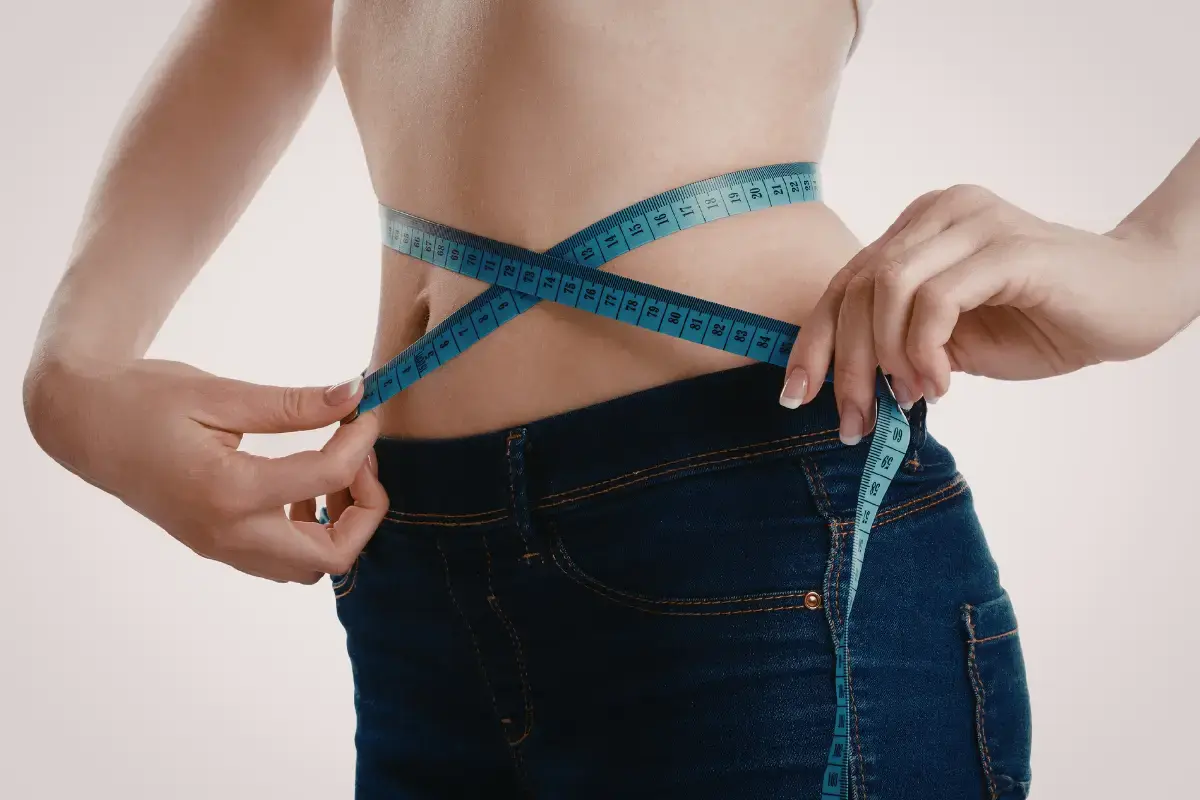
Accurate body measurements depend on consistent landmarks, posture, and a properly positioned tape. Use a flexible measuring tape, keep it level to the floor, and measure on bare skin or thin clothing without compressing soft tissue. Take each measurement twice, record the average, and repeat under the same conditions to track real changes.
Why Correct Measurement Technique Matters
Body measurements are used for many goals: tracking fitness progress, monitoring weight-loss changes, tailoring clothing, and documenting medical or aesthetic outcomes. When technique varies, numbers can shift even if your body has not changed. A reliable method helps you compare results over weeks and months with confidence.
At clinics such as Lygos Clinic, standardized measurement is also part of professional assessment. In clinical settings, the aim is repeatability: the same person, the same landmarks, the same posture, and the same tool.
Choosing the Right Tools
Use a flexible tailor’s tape for circumference measurements (bust, waist, hips, arm, thigh). A rigid meter stick or stadiometer is better for height, since a soft tape can bend or drift. If you only have a tape, you can still measure height well when you follow a strict wall-based method.
Pick a tape with clear markings, ideally with a metal tip to reduce stretching. Avoid old, frayed tapes that have lost tension or have faded numbers. If you measure often, store the tape flat to limit warping.
General Rules for Consistent Body Measurements
Measure at the same time of day, preferably in the morning after using the restroom and before a large meal. Stand relaxed, distribute weight evenly, and keep your breathing natural. For tracking, use the same side of the body each time.
Keep the tape parallel to the floor for circumferences and snug without squeezing. If the tape leaves an indentation, it is too tight. If it slides down or twists, it is too loose or not level.
How to Take Key Circumference Measurements
Bust / Chest
Wrap the tape around the fullest part of the bust (or chest), usually across the nipples in a straight line around the back. Keep arms relaxed at your sides, then lift them briefly to position the tape and lower them again before reading the number. Make sure the tape does not ride up in the back.
Waist
For most people, the natural waist is the narrowest point between the lower ribs and the top of the hip bones. Do not “suck in” your abdomen. Exhale normally and read the measurement with the tape level.
Hips
Measure the widest part of the hips and buttocks. This point is not always at the hip bones; it is often lower. Use a mirror to confirm the tape stays horizontal all the way around.
Arms, Thighs, and Calves
Measure the upper arm at its widest point with the arm relaxed. For thighs, measure at the fullest point, often a few centimeters below the groin crease. For calves, measure at the widest part, and note the exact location if you plan to repeat it.
How to Measure Height Accurately at Home
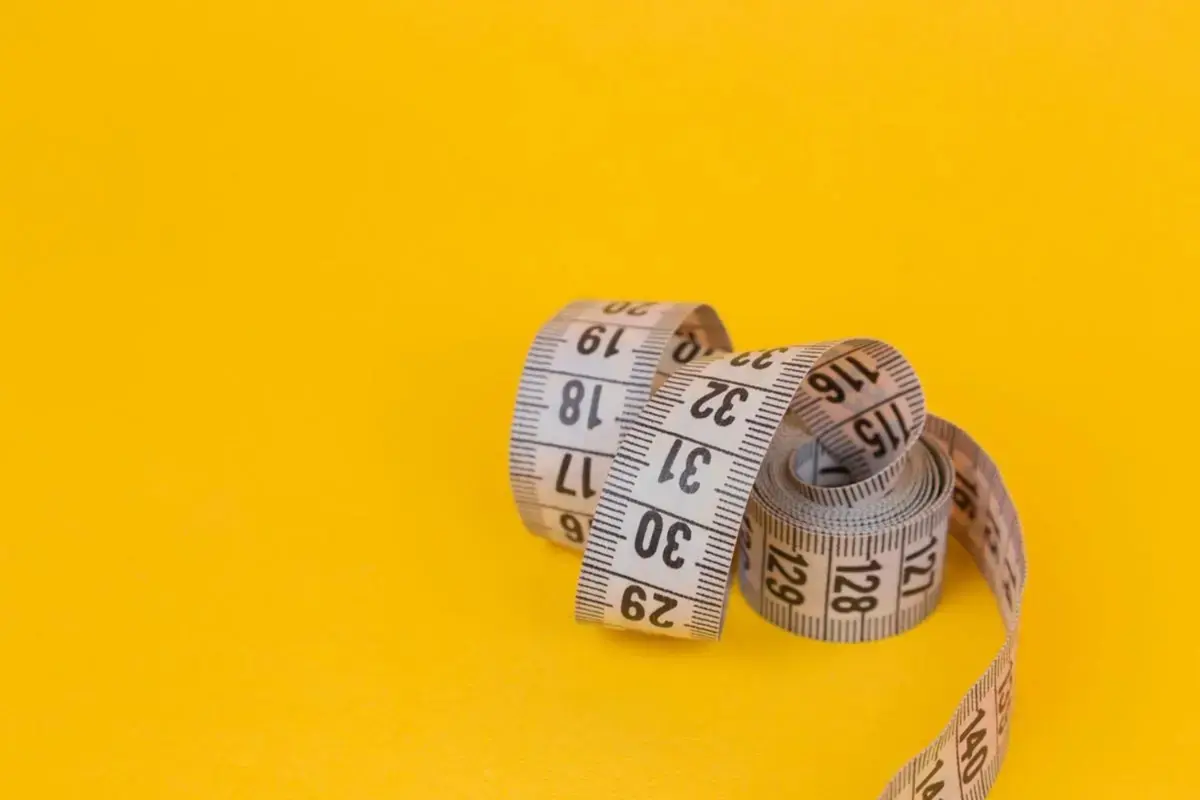
Home height measurements are most accurate when you use a flat wall, a hard floor (no carpet), and a right-angle object like a hardcover book. Stand with heels together, back against the wall, and eyes looking straight ahead. Heels, buttocks, shoulders, and head may not all touch the wall depending on your posture, which is normal.
Place the book on top of your head, keep it level, and slide it to touch the wall. Mark the point lightly with a pencil, then measure from the floor to the mark with a rigid meter or a tape held straight. Take two readings and use the average.
Anthropometric Measurements: What They Are and How Professionals Do Them
Anthropometry is the systematic measurement of the human body. It can include height, weight, circumferences, limb lengths, skinfold thickness, and proportions. In healthcare and sports science, these measurements help assess growth, nutritional status, and body composition trends.
Professionals use standardized landmarks, calibrated tools, and documented protocols. They often take multiple readings, confirm agreement between measurements, and record conditions such as posture and clothing. That structure is what makes the results comparable over time.
Common Mistakes That Change Your Numbers
The most frequent errors are inconsistent landmarks and a tilted tape. Measuring the waist one day at the belly button and another day at the natural waist can create an artificial “change.” Twisting the tape or letting it slope at the back can also add or subtract centimeters.
Other sources of variation include hydration, salt intake, digestion, menstrual cycle changes, and swelling after exercise. For progress tracking, focus on trends across several measurements rather than reacting to a single reading.
Frequently Asked Questions (FAQ)
It can be accurate if you use a wall-based method and keep the tape straight. The best tool for height is a stadiometer or rigid meter stick, yet a tape measure works when you stand on a hard floor, keep your head level, and mark the wall with a right-angle object. Take two measurements and use the average.
These numbers refer to bust–waist–hip circumferences in centimeters. Measure the bust at the fullest point, the waist at the natural narrowest point, and the hips at the widest part of the buttocks. Keep the tape level, snug without squeezing, and measure under the same conditions each time.
There is no difference in centimeters if both tools are correctly made and calibrated: 1 meter equals 100 centimeters. The practical difference is rigidity. A soft tape can bend or stretch, while a rigid meter stick stays straight, which is why it is preferred for height.
Anthropometric measurements are taken using standardized body landmarks and consistent protocols. A trained examiner uses calibrated tools (stadiometer, scale, tape, sometimes skinfold calipers), positions the person in a defined posture, takes repeated readings, and records the conditions so the measurements can be reproduced accurately later.
The most accurate approach is a stadiometer on a flat, hard surface. At home, use a flat wall, stand barefoot with heels together, look straight ahead, and place a level book on your head to mark the wall. Measure from the floor to the mark with a rigid meter or a taut tape.
