


What Do Urea-Containing Creams Actually Do?


Chose Your Topic
What Do Urea-Containing Creams Actually Do?
Urea creams are often suggested when the skin becomes stubbornly dry, rough, or uncomfortable. Still, many people hesitate when they see the word “urea” on a product label. It sounds chemical, maybe even harsh. In reality, it’s not something foreign to your skin at all.
Urea is naturally present in healthy skin. It helps maintain moisture and keeps the outer layer flexible. When skin starts cracking, flaking, or feeling tight all the time, urea levels are usually lower than they should be. That’s when creams containing urea can make a noticeable difference.
At Lygos Clinic, urea-based products are often recommended when regular moisturizers simply aren’t enough.
How Urea Cream Works on the Skin
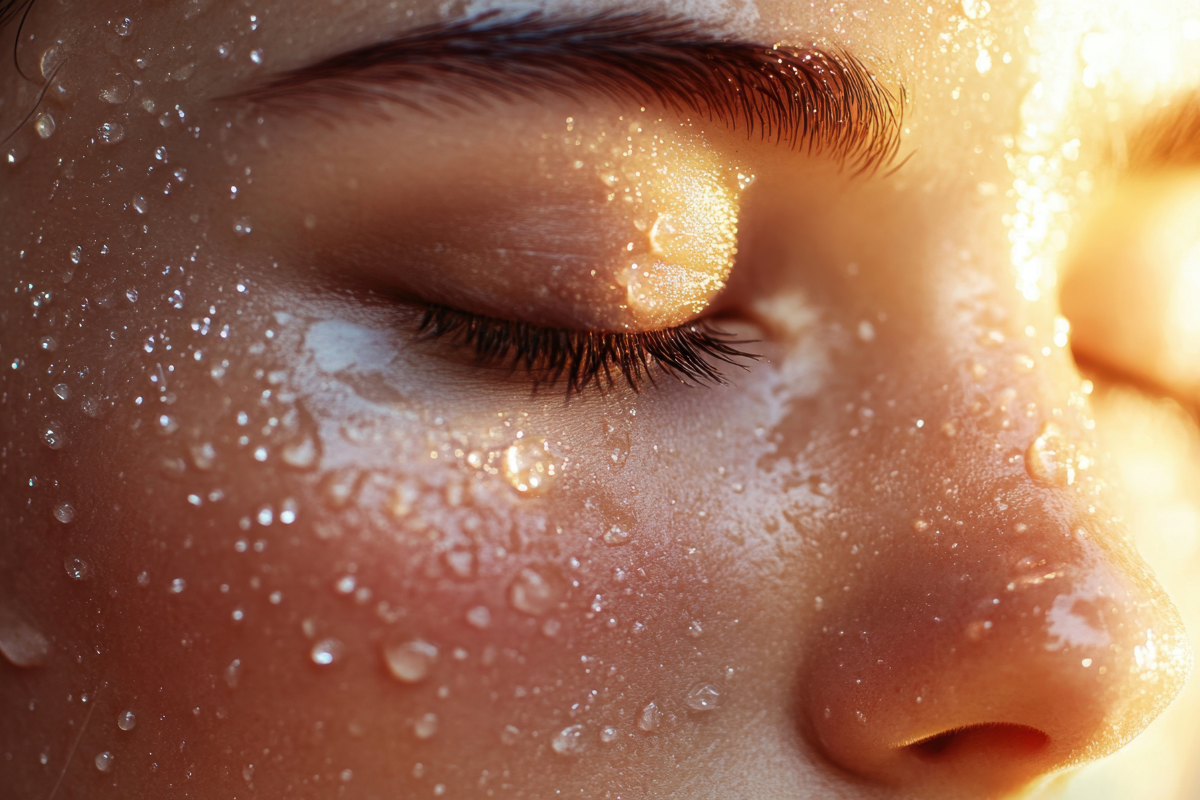
Urea does two important things at the same time. First, it helps the skin hold onto water. Instead of moisture evaporating quickly, urea pulls water into the outer layer of the skin and keeps it there. This is why skin that feels tight or uncomfortable often softens after consistent use.
The second effect is less obvious but just as important. Urea gently loosens hardened, thickened skin. This allows dead skin cells to shed more naturally instead of building up. Once that rough layer softens, the skin surface feels smoother and healthier.
Because of this dual action, urea creams are commonly used for cracked heels, rough elbows, very dry skin, and areas that feel thick or scaly.
Why Urea Is So Common in Skincare Products
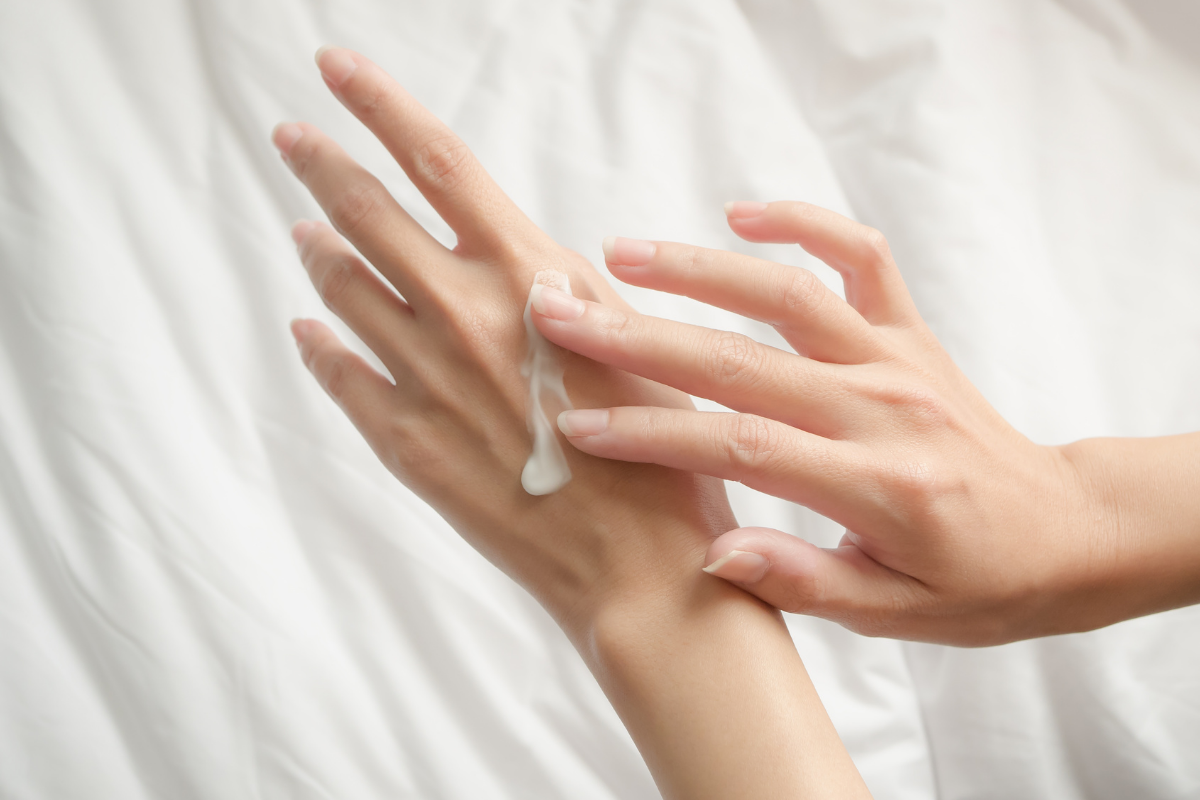
Many creams include urea because it does more than simple hydration. While basic moisturizers sit on the surface, urea works deeper, improving texture as well as moisture levels.
Another reason it’s widely used is that urea supports the skin barrier instead of coating it. When used in the right amount, it doesn’t feel greasy or heavy. The skin absorbs it easily, which makes daily use more comfortable for many people.
Not all urea creams are the same, though. The percentage of urea makes a big difference in how the product works.
Understanding Different Urea Strengths
Low-strength urea creams, usually around 5–10%, are designed for everyday dryness and sensitive areas. These formulas focus on hydration and are often suitable for regular use.
Medium-strength products target rough patches, flaking, or scaling. High-strength urea creams, such as 30–40%, are meant for very thick skin. These are commonly used on heels, calluses, or thickened nails.
Using the wrong strength can cause irritation, so choosing carefully matters more than people think.
Is Urea 40% a Treatment for Fungal Problems?
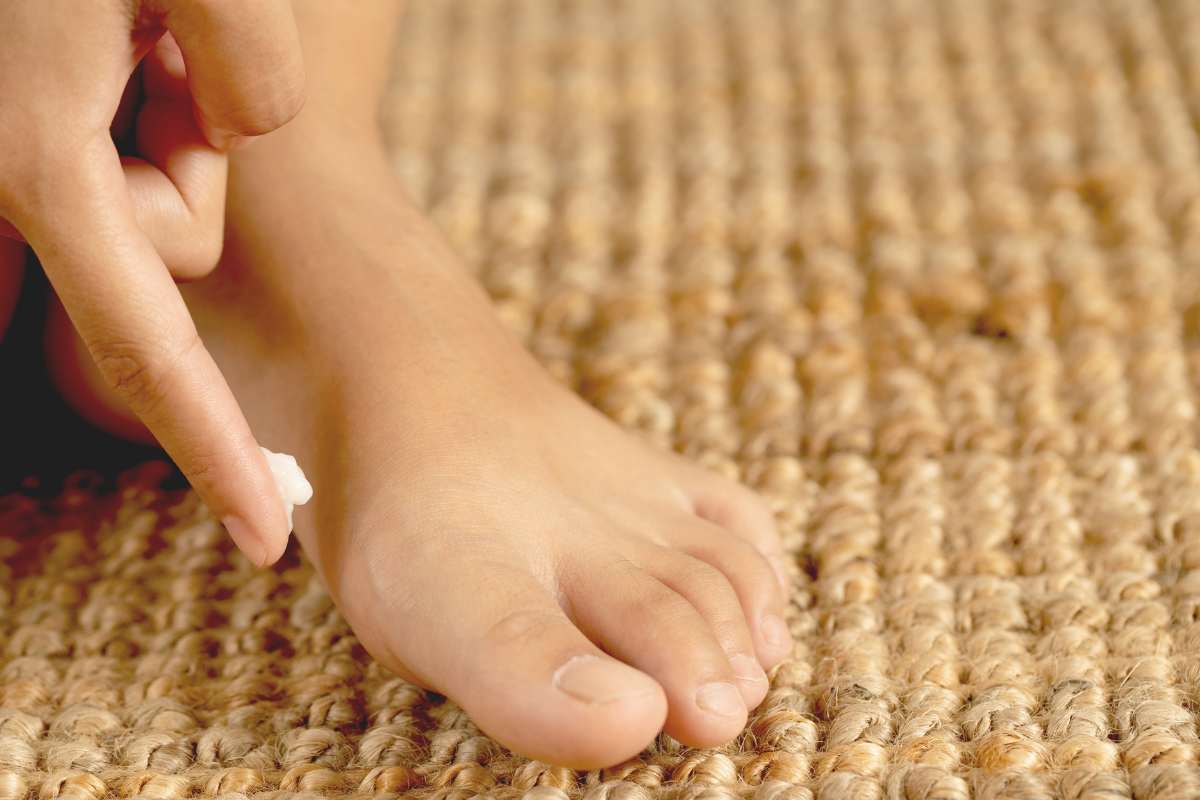
Urea 40% is not an antifungal medication. It does not kill fungus on its own. However, it is sometimes used together with antifungal treatments.
High-strength urea softens thick skin or nails, making it easier for antifungal medications to reach the affected area. That’s why it’s often included in treatment plans for fungal nail issues, but it should not be used alone for that purpose.
Using Urea Cream on the Face
Whether urea cream can be used on the face depends on both the formula and your skin type. Low-strength urea creams made specifically for facial use can be applied daily if the skin tolerates them well.
Stronger formulas are not suitable for the face. Facial skin is thinner and reacts more easily, so high concentrations may cause stinging or redness. Starting slowly and paying attention to how the skin responds is always the safest approach.
At Lygos Clinic, we recommend avoiding high-strength products on delicate areas unless specifically advised.
Possible Downsides to Be Aware Of
Urea creams are generally safe, but they’re not completely risk-free. Some people feel mild burning or stinging when they first start using them, especially with higher concentrations.
Applying urea to broken or inflamed skin can increase discomfort. Using too much or too often may also irritate the skin barrier temporarily. This is one case where more product doesn’t mean better results.
When Professional Advice Is Important
If dryness, cracking, or thickened skin doesn’t improve despite regular use of urea creams, there may be another skin condition involved. In those cases, guessing or switching products repeatedly isn’t helpful.
At Lygos Clinic, we guide patients toward the right product strength and usage based on their skin’s actual needs, not trial and error.
Frequently Asked Questions (FAQ)
Urea cream helps the skin retain moisture and softens rough or thickened areas.
It improves comfort and texture when regular moisturizers fail.
Urea attracts water and helps loosen built-up dead skin.
It supports the skin barrier more effectively than many basic creams.
No, urea 40% is not antifungal.
It is used to soften skin or nails so antifungal treatments can work better.
Low-strength, face-specific urea creams may be used daily if tolerated.
High-strength formulas are not suitable for regular facial use.
Possible side effects include stinging, redness, or irritation.
Using the wrong strength or applying too much can cause discomfort.


