


What Does Chlorophyll Do?

Chose Your Topic
What Does Chlorophyll Do?
Chlorophyll is one of those things most of us learn about very early, usually in school. We’re told it’s what makes plants green, and the subject moves on. For a long time, that’s where the story ends. But lately, chlorophyll has started to show up in a different context health, supplements, and everyday wellness.
So what does chlorophyll actually do? Is it really useful for the body, or is it just another popular ingredient? The answer depends on how it’s used and what someone expects from it.
What Is Chlorophyll?
Chlorophyll is a natural substance found in green plants. Its main role is to absorb sunlight and help plants turn that light into energy. This process is called photosynthesis. Without chlorophyll, plants wouldn’t be able to grow, produce food, or survive.
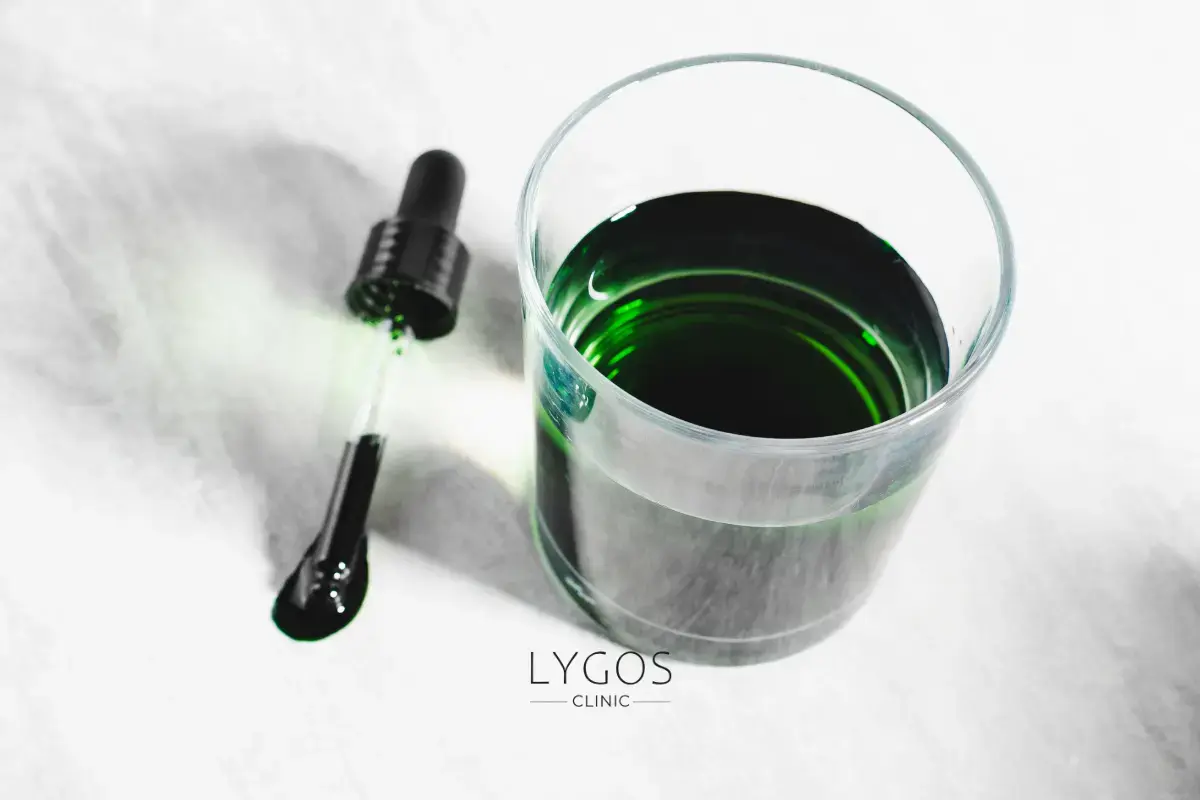
For humans, chlorophyll usually comes from food. Green vegetables like spinach, parsley, kale, and broccoli are natural sources. Some people also choose supplements. Liquid chlorophyll is the most common form and is often made using chlorophyllin, which is easier to mix with water.
What Does Chlorophyll Do for the Body?
In the human body, chlorophyll doesn’t behave the same way it does in plants. It doesn’t create energy from sunlight. Still, many people use it for general support rather than a specific medical reason.
Some take chlorophyll to help with digestion. Others use it because it’s known to help reduce body odor. There’s also interest in its antioxidant properties, which means it may help protect cells from everyday stress.
A number of people say their skin feels clearer or their stomach feels calmer when they use chlorophyll. That doesn’t happen for everyone, though. Chlorophyll isn’t a cure and it doesn’t fix everything. For most people, it’s simply a small addition to an already healthy routine.
What Happens If You Take Chlorophyll Every Day?
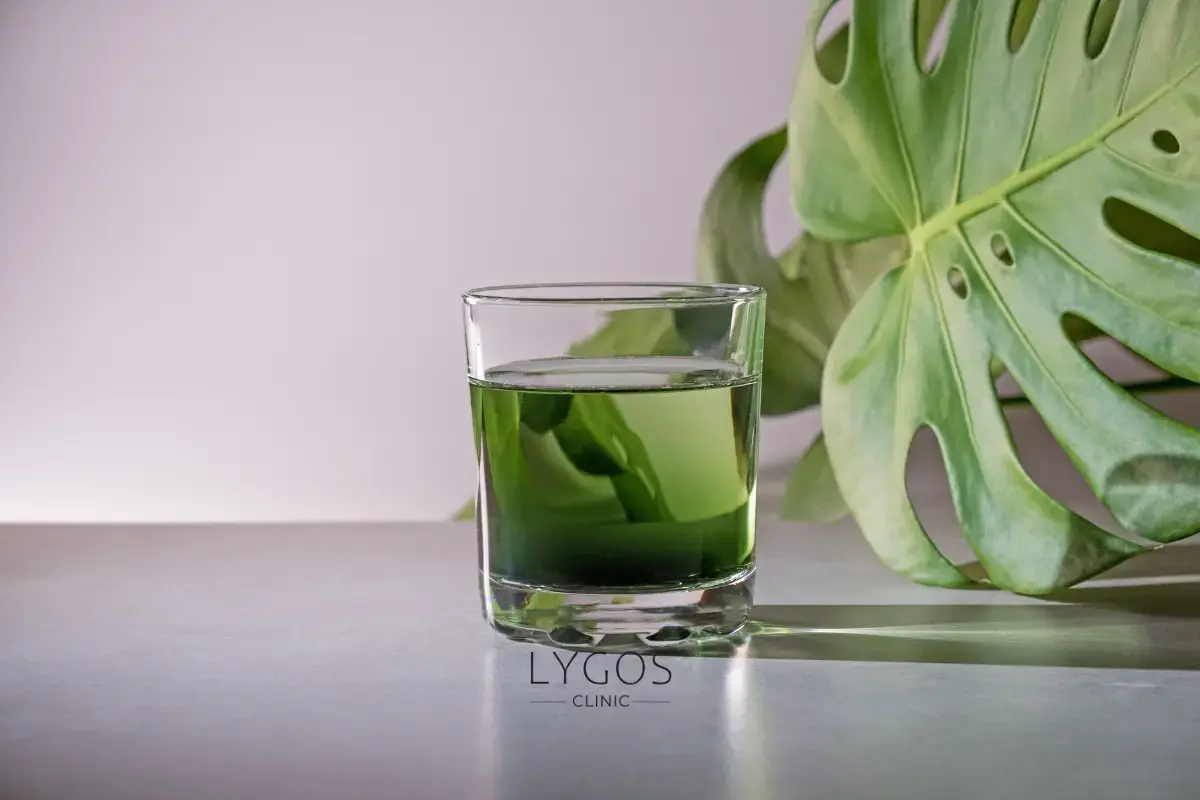
Taking chlorophyll every day is usually considered safe when done in moderation. Many people add liquid chlorophyll to a glass of water and drink it once a day.
Some of the things people notice include fresher breath, less body odor, and mild digestive comfort. Others don’t notice much at all. That’s normal.
Daily use isn’t necessary for everyone. Taking too much can sometimes cause minor issues, such as stomach discomfort or changes in stool color. Like many supplements, chlorophyll tends to work best when it’s not overused.
What Does Liquid Chlorophyll Do for Females?

Liquid chlorophyll is often discussed among women, especially when it comes to skin and overall freshness. Some women feel it helps their skin look clearer, particularly when breakouts seem linked to digestion or lifestyle habits.
Others say they use it during times of low energy or around their menstrual cycle because it feels gentle and easy on the body. Many prefer the liquid form simply because it’s easy to take and doesn’t involve pills.
It’s important to be clear about expectations. Chlorophyll is not a hormone treatment and it doesn’t replace medical care. Any effects are usually mild and supportive.
What Does Chlorophyll Do for Plants?
For plants, chlorophyll is essential. It absorbs sunlight and uses that energy to turn carbon dioxide and water into glucose. This provides fuel for growth and releases oxygen into the air.
Without chlorophyll, plants wouldn’t be able to make their own food. Life on Earth, at least as we know it, wouldn’t exist. That’s why chlorophyll is often described as the foundation of plant life.
Does Chlorophyll Really Detox Your Body?
The idea of chlorophyll “detoxing” the body is very popular, but it can be misleading. The body already has its own detox system, mainly the liver and kidneys.
Chlorophyll doesn’t remove toxins on its own or clean the body in a direct way. What it may do is support normal processes, such as digestion, and help reduce oxidative stress. In that sense, it supports the body rather than replacing its natural functions.
How to Use Chlorophyll Safely
If you’re interested in chlorophyll supplements, it’s best to start slowly. Follow the instructions on the label and pay attention to how your body responds.
Another simple option is to focus on food. Green vegetables provide chlorophyll along with fiber, vitamins, and minerals. For many people, this is the easiest and safest way to benefit.
Frequently Asked Questions (FAQ)
Chlorophyll may support digestion, help reduce body odor, and offer antioxidant support. It works best as part of a healthy lifestyle.
Most people tolerate daily use well. Some notice fresher breath or digestive comfort, while others don’t feel a noticeable change.
Some women use liquid chlorophyll to support skin clarity and overall freshness. Results vary, and it’s not a medical treatment.
Chlorophyll allows plants to convert sunlight into energy through photosynthesis, supporting growth and oxygen production.
Chlorophyll doesn’t detox the body directly. It may support the body’s natural systems by helping digestion and reducing oxidative stress.


