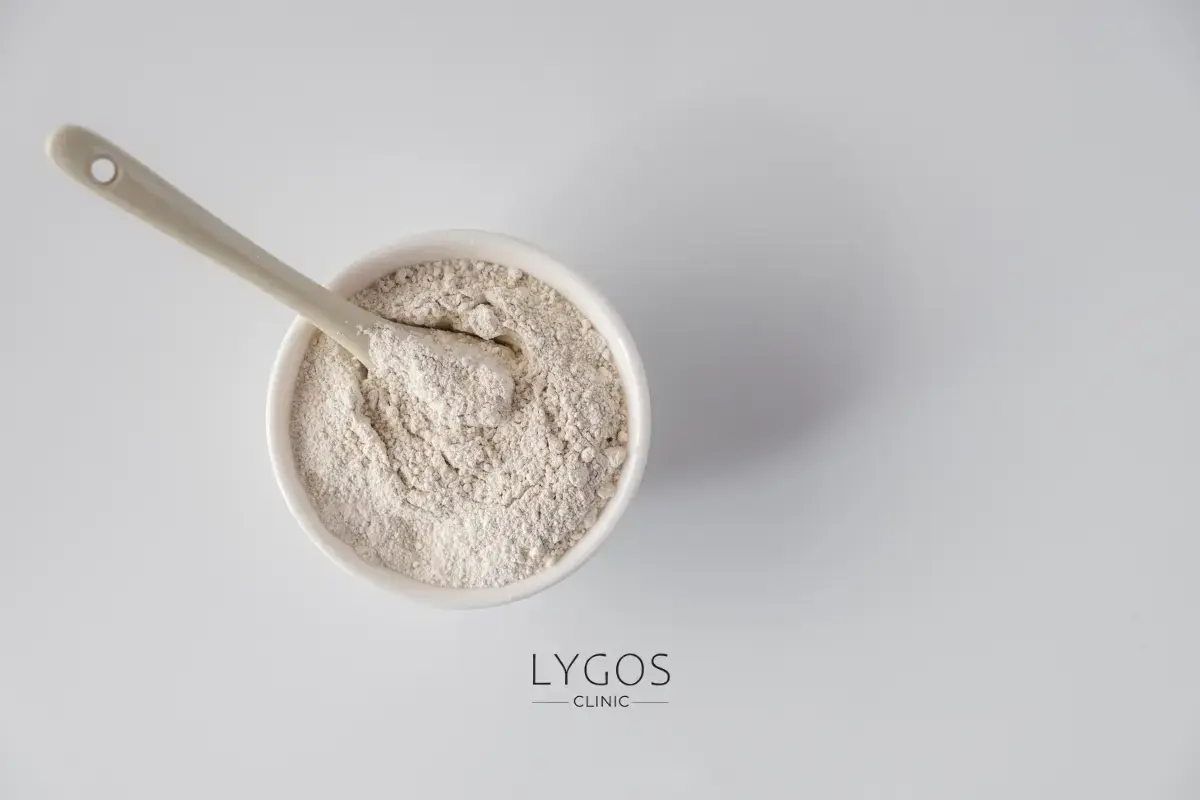
Bentonite clay is a natural clay that forms when volcanic ash settles into the ground and slowly changes over time. As the ash mixes with water and surrounding minerals, it turns into a soft, absorbent clay rich in elements such as calcium, magnesium, and iron. This natural process takes thousands of years, which is why bentonite clay has a unique structure compared to ordinary clays.
For generations, different cultures have used bentonite clay for cleansing and skin care purposes. Today, it is commonly found in face masks, body treatments, hair products, and wellness routines. Its popularity has increased as more people look for simple, natural ingredients to support skin balance and overall care.
How Bentonite Clay Works
What sets bentonite clay apart is how it reacts when it comes into contact with water. Once mixed, the clay expands and becomes highly absorbent. It carries a natural negative charge, which helps attract positively charged particles like dirt, excess oil, and surface impurities.
Because of this effect, bentonite clay works more like a deep cleanser than a gentle daily product. It removes buildup rather than simply washing it away, which is why it is usually recommended for occasional use instead of everyday application.
Benefits of Bentonite Clay
One of the reasons bentonite clay is so popular is its versatility. It can be used in different ways depending on personal needs and routines.
Skin Care Benefits
When applied to the skin, bentonite clay may help:
Pull impurities from clogged pores
Reduce excess oil and surface shine
Support a fresher, clearer skin appearance
Improve the feel of dull or congested skin
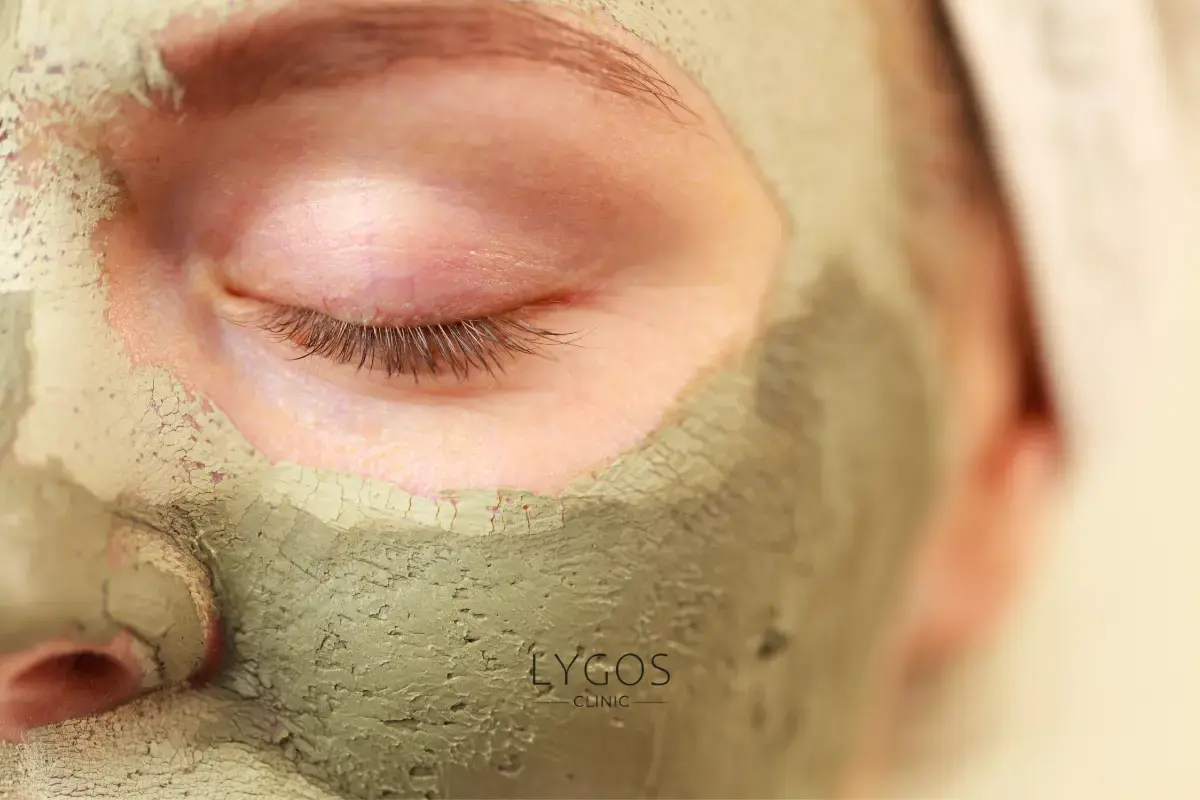
Many people prefer using bentonite clay as a face mask once or twice a week. This routine helps remove residue left behind by makeup, sunscreen, pollution, and daily skincare products.
Hair and Scalp Care
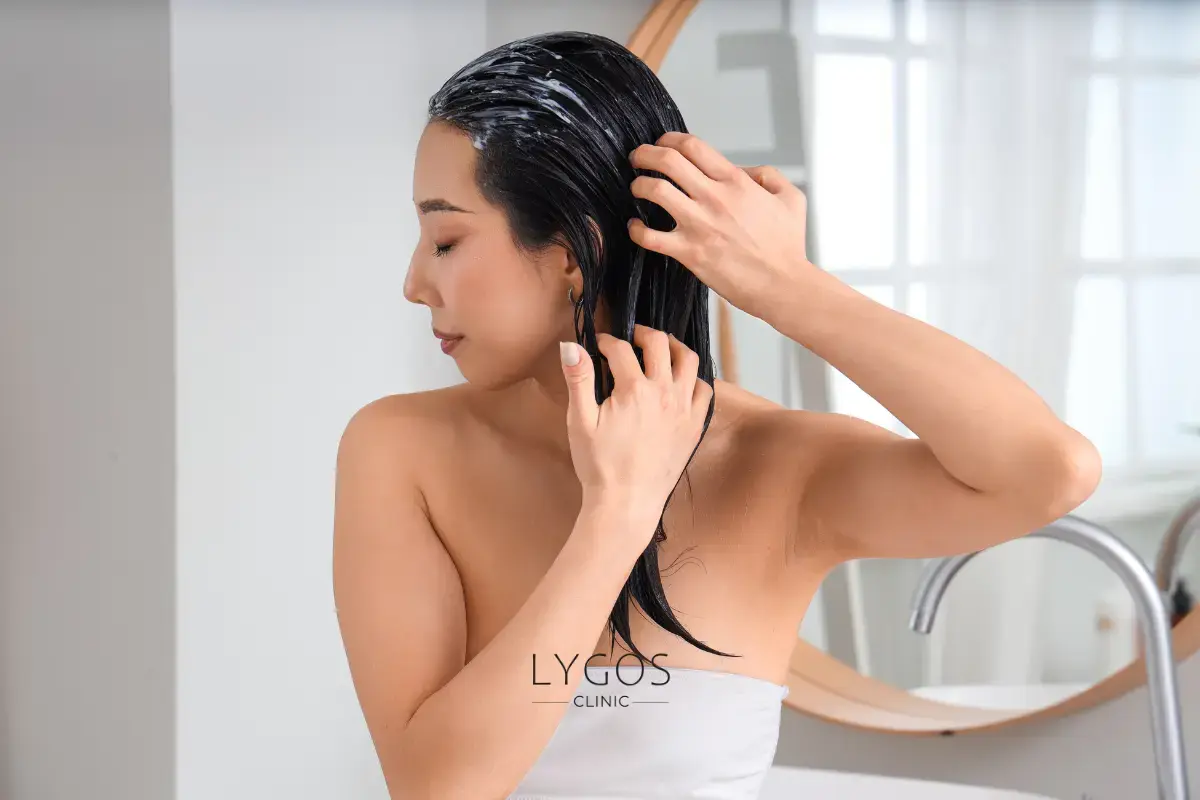
Bentonite clay is sometimes used on the scalp to remove excess oil and styling product buildup. When applied occasionally, it can leave the scalp feeling cleaner and more balanced. This can be especially helpful for those who frequently use gels, sprays, or heavy conditioners.
General Wellness Use
In certain traditions, bentonite clay has been used internally as part of detox practices. However, this type of use requires caution. Internal consumption should never be done casually and should only be considered with guidance from a qualified healthcare professional.
Types of Bentonite Clay
There are two main forms of bentonite clay commonly discussed:
Calcium bentonite clay, which is widely used in skincare and cosmetic products
Sodium bentonite clay, which is often used for industrial or medical purposes
For personal and cosmetic use, calcium bentonite clay is generally preferred because it is considered milder and more suitable for the skin.
How to Use Bentonite Clay Safely
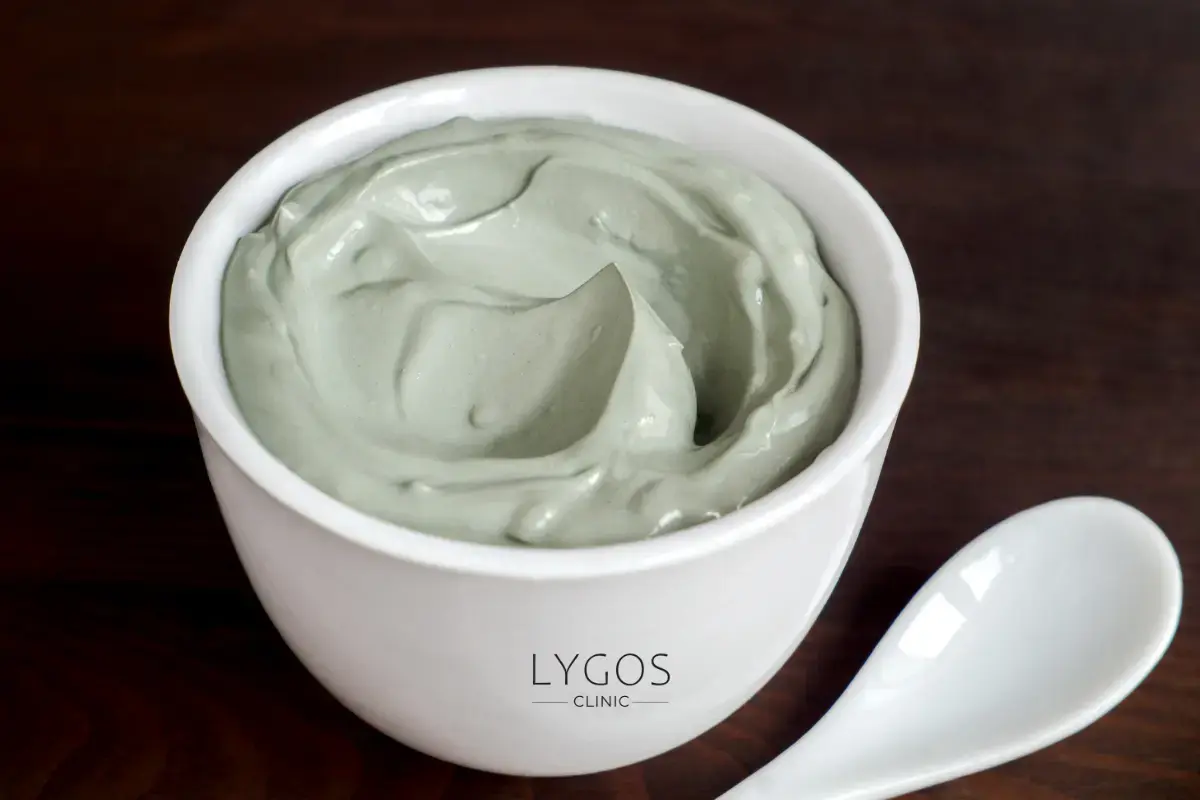
Bentonite clay is a strong, absorbent material, so using it in moderation is important. For topical application, it is usually mixed with water or another gentle liquid until it reaches a smooth consistency. Non-metal bowls and utensils are recommended, as metal may interfere with the clay’s natural properties.
During use, a tightening or slight tingling sensation is common. This feeling typically disappears after the clay is rinsed off. Applying a light moisturizer afterward helps restore comfort and prevent dryness.
Bentonite clay is mainly used for cleansing the skin, absorbing excess oil, and removing surface impurities. It is also found in hair care products and body treatments.
What is another name for bentonite clay?
Bentonite clay is also known as montmorillonite clay, named after the area in France where it was first identified.
Who should not take bentonite clay?
People who are pregnant, breastfeeding, or managing chronic health conditions should avoid internal use unless advised by a healthcare professional.
What is the main use of bentonite?
The main use of bentonite clay is external cleansing, especially in skincare routines designed to detoxify and refresh the skin.
Can I put bentonite clay on my skin?
Yes, bentonite clay can be applied to the skin when used correctly. It is best used as a short-term mask and followed with proper hydration.