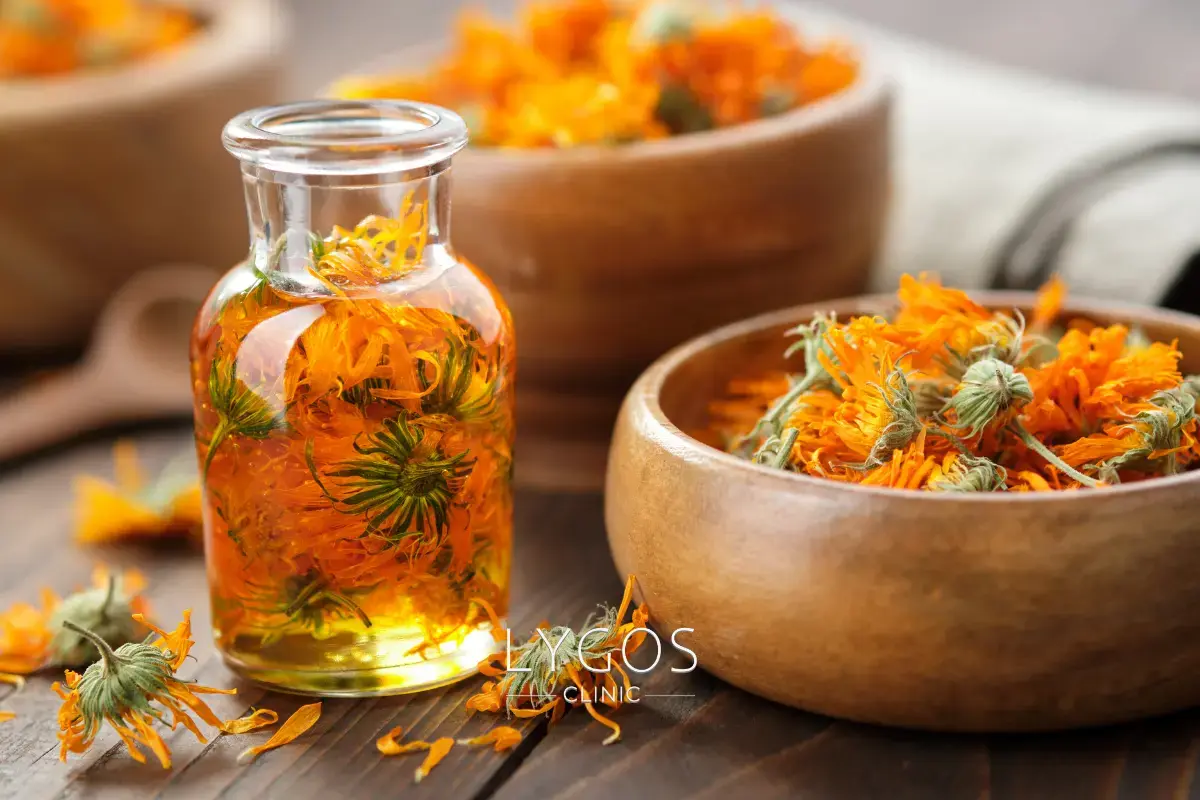
Calendula is a flowering plant that has been used for a very long time, mostly in simple skin care and herbal practices. It belongs to the same family as daisies and produces bright yellow or orange flowers. You may have seen it growing in gardens, but its value goes far beyond appearance.
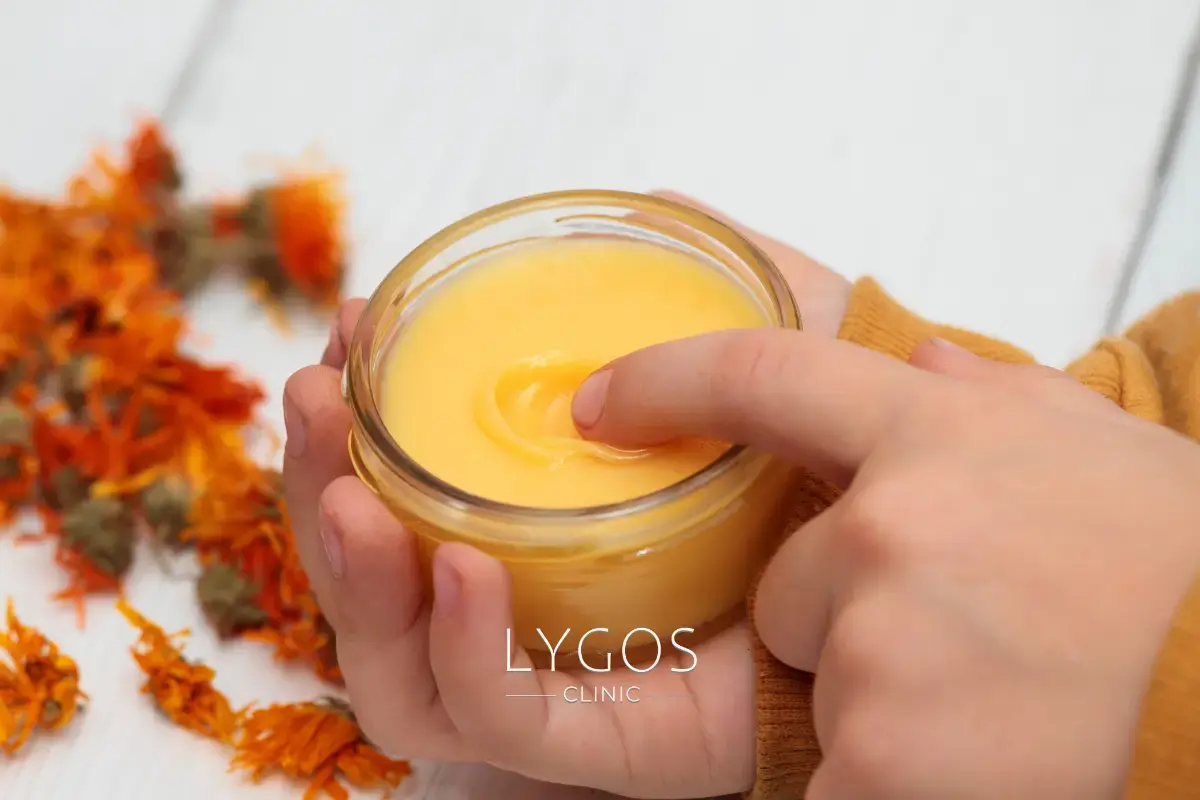
Historically, calendula was used in ointments, oils, and teas. People turned to it mainly for skin-related concerns, such as irritation, dryness, or minor wounds. Even today, calendula is still commonly found in creams, balms, and gentle skincare products.
What makes calendula interesting is that it’s considered mild. It doesn’t work aggressively, and that’s exactly why many people prefer it, especially for sensitive or easily irritated skin.
Where Calendula Comes From
Calendula grows naturally in parts of Europe, Asia, and the Mediterranean region. The flower petals are usually the part that gets used. Once harvested, they can be dried, infused into oil, or added to creams and lotions.
Unlike some herbs that need strong processing, calendula is often prepared in simple ways. This keeps its natural properties intact and makes it suitable for everyday products.
How Calendula Is Commonly Used
Calendula is mostly known for external use. It’s often applied to the skin rather than taken internally. Because of its gentle nature, it’s commonly included in products designed for daily care.
Many people choose calendula for:
Soothing sensitive or irritated skin
Supporting skin recovery after minor cuts or dryness
Calming redness or tightness
Gentle care for delicate skin areas
You’ll often find calendula in products like hand creams, baby skincare, lip balms, and post-treatment lotions.
Calendula in Skincare
In skincare, calendula is valued for how it feels rather than for dramatic effects. It doesn’t promise instant changes or strong results. Instead, it supports the skin slowly and gently.
People with sensitive skin often prefer calendula-based products because they tend to be less irritating. It’s also commonly used after cosmetic treatments or procedures, when the skin needs calm, simple care.
That said, even natural ingredients can cause reactions in some people, which is why testing a small area first is always a good idea.
Calendula vs Other Herbal Ingredients
Calendula is often compared to stronger herbal ingredients, but it serves a different purpose. It’s not meant to stimulate or heat the skin. Instead, it focuses on comfort and balance.
Because of this, calendula is usually chosen for long-term, regular use rather than short, intense treatments.
Calendula is mainly used for skin care. It’s commonly applied to soothe irritation, support skin healing, and calm sensitive areas. It’s often found in creams, ointments, and lotions.
Is calendula the same as marigold?
Calendula is often called pot marigold, but it’s not the same as ornamental marigolds commonly grown in gardens. While they look similar, calendula is the type traditionally used in skincare and herbal products.
Who shouldn't use calendula?
People who are allergic to plants in the daisy family should be cautious. Pregnant or breastfeeding individuals should consult a healthcare professional before using calendula-based products, especially internally.
What are the side effects of calendula?
Calendula is generally well tolerated, but in rare cases it may cause mild skin irritation or allergic reactions. Redness or itching can occur, especially on very sensitive skin.
What is the difference between calendula and arnica?
Calendula is gentle and often used for soothing and skin support. Arnica, on the other hand, is stronger and usually used for bruising or muscle discomfort. Arnica should not be applied to broken skin, while calendula is often used on delicate areas.