


What Is a Menstrual Cup and How Do You Use It?


Chose Your Topic
What Is a Menstrual Cup and How Do You Use It?
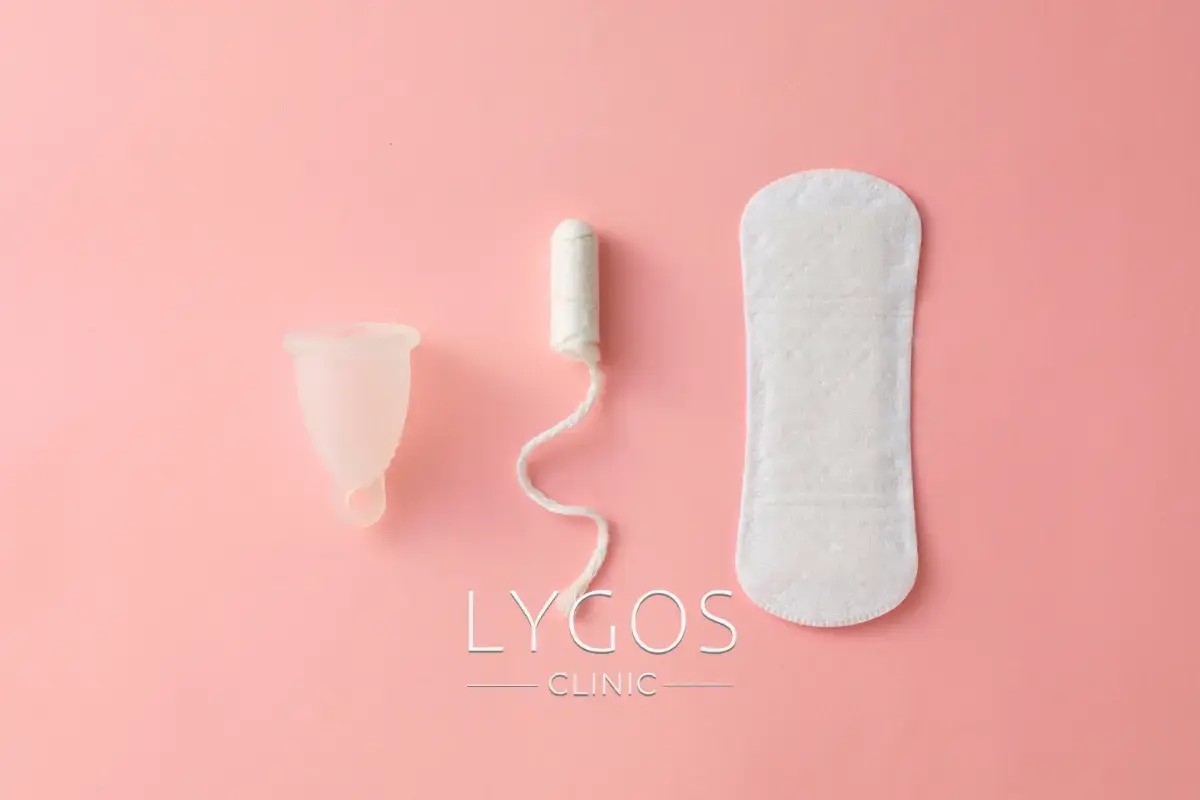
A menstrual cup is a reusable, flexible medical-grade silicone device designed to collect menstrual blood inside the vagina. Unlike pads or tampons, a menstrual cup does not absorb fluid; it collects it, making it a sustainable, eco-friendly, and long-lasting alternative for menstrual hygiene. In recent years, menstrual cups have gained popularity worldwide because they are cost-effective, gentle on the body, and suitable for a wide range of users.
This guide from Lygos Clinic explains what a menstrual cup is and how it works. It also shows how to use it safely. The guide answers common questions about virginity, insertion depth, urination, and how long to use it.
How Does a Menstrual Cup Work?
A menstrual cup is shaped like a small bell or funnel and sits inside the vagina. When inserted correctly, it creates a gentle seal with the vaginal walls and collects menstrual fluid for several hours. Cups come in different sizes, usually based on age, childbirth history, and menstrual flow.
Most cups are made from:
- Medical-grade silicone
- Latex
- Thermoplastic elastomer (TPE)
They are safe, non-toxic, easy to clean, and designed for long-term use often lasting up to 5–10 years.
Benefits of Using a Menstrual Cup
Menstrual cups offer several advantages:
1. Long-lasting Protection
A menstrual cup can stay in place for 8–12 hours depending on flow. This is longer than most pads or tampons.
2. Cost-Effective
Rather than buying disposable products every month, one cup can be reused for years.
3. Eco-Friendly
Menstrual cups significantly reduce waste generated by pads and tampons.
4. Less Odor and Irritation
Because menstrual blood is not exposed to air, odors are reduced. Cups also do not disturb the natural vaginal pH.
5. Suitable for Light or Heavy Flow
Different cup sizes and capacities work well for a wide range of menstrual patterns.
How to Insert a Menstrual Cup
- Wash your hands thoroughly.
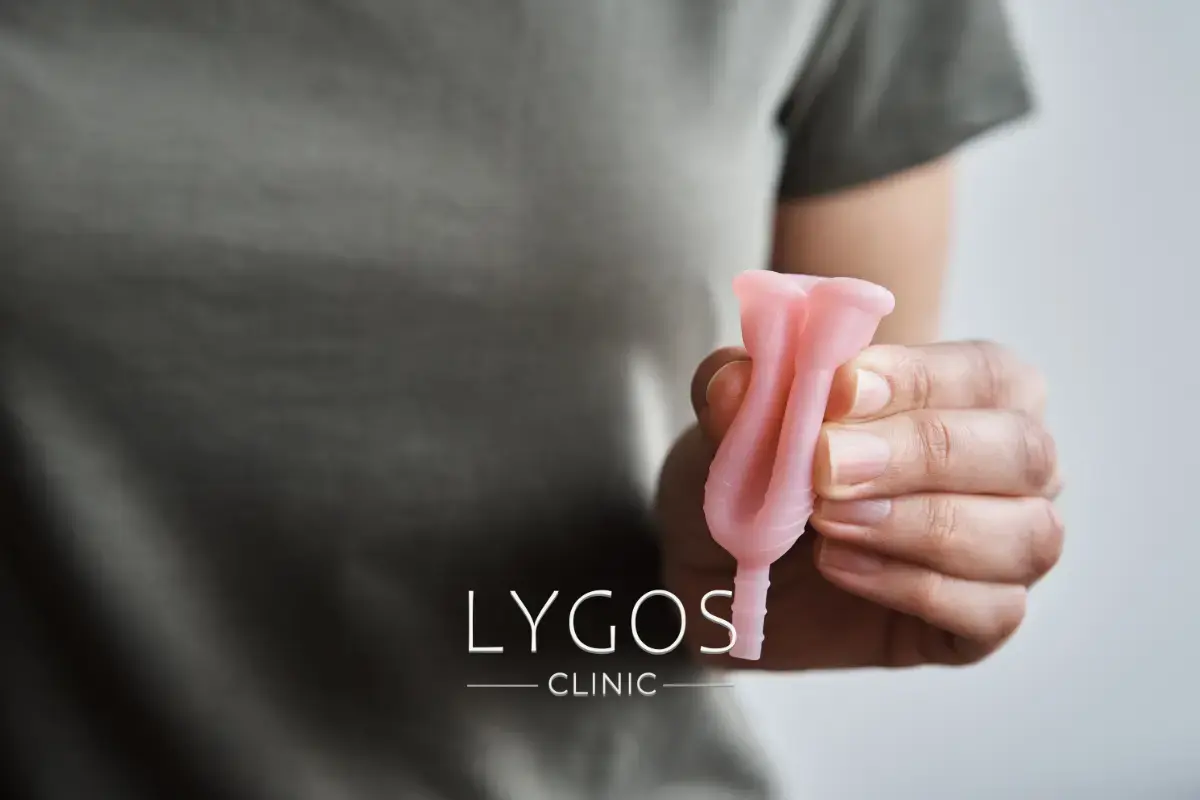
- Fold the cup into a C-fold or punch-down fold.
- Relax your pelvic muscles by taking a deep breath.
- Insert the folded cup into the vagina toward the tailbone.
- Let the cup open fully to create a seal.
- Check the seal by rotating the cup gently.
The cup should sit low in the vagina lower than a tampon but still comfortably inside without discomfort.
How to Remove a Menstrual Cup
- Wash your hands.
- Sit or squat comfortably to shorten the vaginal canal.
- Pinch the base of the cup to release the seal.
- Gently pull the cup out while keeping it upright.
- Empty the contents into the toilet.
- Rinse the cup with warm water and mild soap.
During your cycle, you only need to wash and reinsert the cup. At the end of each cycle, sterilize it in boiling water for 3–5 minutes
Is a Menstrual Cup Safe?
Menstrual cups are considered very safe when used correctly. Research shows that they do not increase the risk of infections when cleaned and inserted properly. They also do not introduce chemicals or bleaching agents, making them safer than some disposable products.

Possible Side Effects
Although most users never experience complications, some may feel:
- Mild discomfort during the first uses
- Difficulty creating a seal
- Leakage if the wrong size is chosen
- Rare allergic reactions to certain materials
Consult a medical professional if pain, persistent discomfort, or abnormal symptoms occur.
What Is a Menstrual Cup and How Do You Use It? Frequently Asked Questions (FAQ)
Yes, a virgin can use a menstrual cup. Virginity is not defined medically by the hymen, but many people associate it with not having had sexual intercourse. A menstrual cup may stretch the hymen slightly during insertion, but this does not mean virginity is lost.
Smaller cup sizes are often recommended for teens or individuals who have never had intercourse. With proper relaxation, lubrication, and the right folding technique, insertion is safe and comfortable. If there is anxiety or pain, starting with a smaller, softer cup is ideal.
A menstrual cup should sit lower than a tampon. It should be just inside the vaginal canal, not near the cervix. You do not need to push it in deeply.
The base of the cup, which may have a short stem, should be easy to reach with your fingers. If the cup is too high, it can be hard to remove.
When it is in the right place, you should not feel it at all. If you feel discomfort, you may need to remove and reinsert it.
No, a menstrual cup cannot get lost inside the vagina. The vagina has a closed end called the cervix. This means the cup cannot go up into the uterus.
However, the cup can move a bit higher if the pelvic floor muscles pull it up. If this happens, try relaxing, squatting, or bearing down gently.
These actions can help bring the cup lower, making it easier to remove. If you still cannot reach it, stay calm. Changing positions and relaxing usually solves the problem.
Yes, you can urinate while wearing a menstrual cup. Urine comes from the urethra, not the vagina, so the cup does not block the urinary pathway.
However, some people with sensitive anatomy may feel slight pressure on the bladder when the cup is full or inserted incorrectly.
If urinating feels difficult, choosing a softer cup or adjusting the position may help. In general, urination and bowel movements are completely safe with the cup in place.
A menstrual cup can stay inside for 8 to 12 hours, depending on your flow. Emptying it every four to six hours might be more comfortable for people who are bleeding heavily.
Avoid surpassing the suggested duration to minimize the chances of unpleasant smells, discomfort, or potential infections..
Overnight use is safe as long as the maximum wear time is respected. After each cycle, sterilizing the cup ensures long-term safety and hygiene.


