


What Is Fungal Acne?

Chose Your Topic
What Is Fungal Acne?
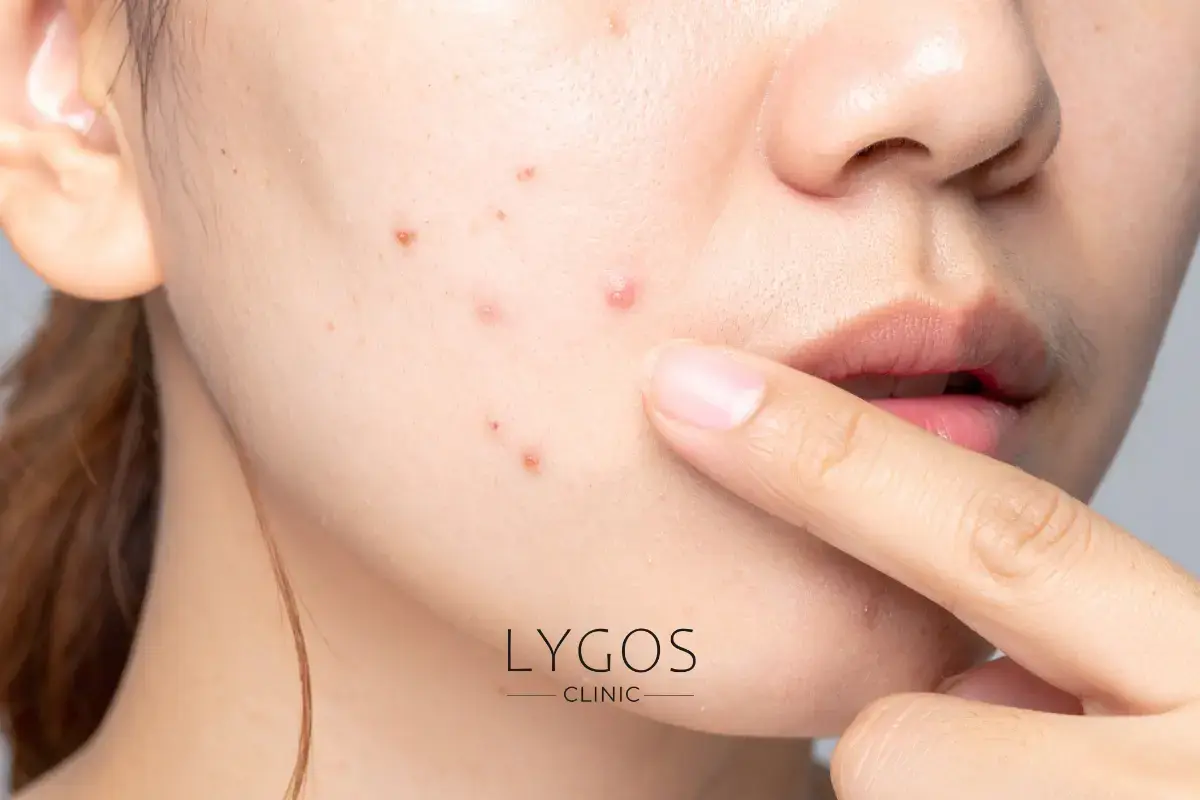
Fungal acne is one of those skin problems that people often have without knowing what it really is. Most of the time, it gets confused with regular acne. The bumps look similar, so the assumption is usually “acne,” and treatment starts that way.
In reality, fungal acne is different. It’s known medically as Malassezia folliculitis, and it happens because of yeast, not bacteria. This yeast already lives on the skin. The problem starts when it grows too much and settles inside hair follicles.
When that happens, the skin reacts. Small bumps appear. They’re usually close together, similar in size, and often itchy. Many people say the skin feels uncomfortable rather than painful. And unlike classic acne, these bumps don’t improve with standard acne products.
That’s where frustration usually begins.
What Causes Fungal Acne?

Fungal acne doesn’t usually come from one single reason. It’s more about conditions that allow yeast to grow too easily.
Sweating is a big factor. Warm, humid environments create the perfect setting for yeast. Tight clothing that traps moisture can make things worse, especially around the chest, back, and shoulders.
Antibiotics can also play a role. While they help fight bacteria, they don’t affect yeast. Over time, this imbalance can allow yeast to grow more freely. Heavy skincare products are another common issue. Thick creams and oily formulas can block follicles and feed yeast without people realizing it.
Sometimes, the skin barrier itself is weaker than usual, which also makes fungal acne more likely.
How Is Fungal Acne Different from Regular Acne?
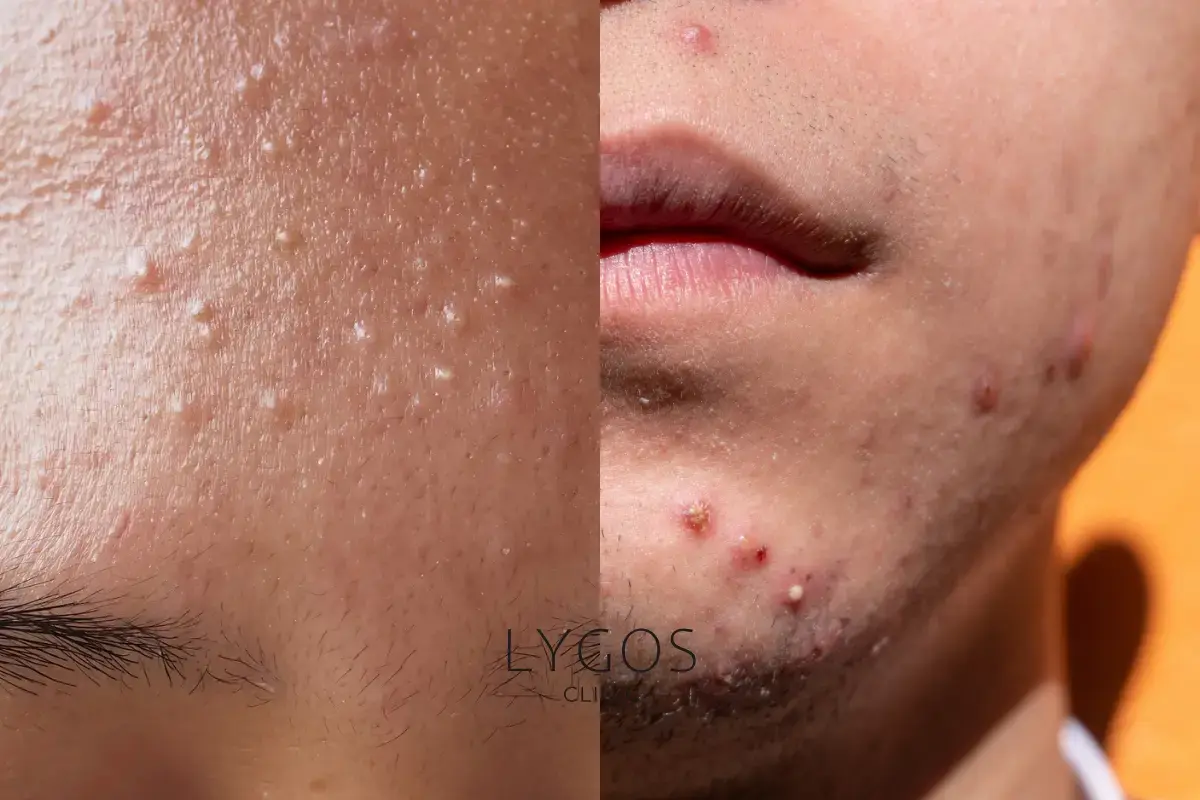
At first glance, fungal acne and regular acne look almost the same. That’s why they’re often mixed up.
But if you look closer, there are differences.
Fungal acne usually shows up as many small bumps that look almost identical. They often appear in clusters and feel itchy, especially when you sweat. The forehead, upper back, chest, and shoulders are common areas.
Regular acne is more unpredictable. You’ll usually see blackheads, whiteheads, larger pimples, and sometimes painful cysts. The sizes vary, and itchiness is not usually a main symptom.
Another important difference is how the skin reacts to treatment. Fungal acne rarely responds to typical acne products.
How Can You Tell If You Have Fungal Acne?
One of the clearest signs is lack of improvement. If you’ve been using acne treatments for weeks or months with no real change, that’s a red flag.
Itchiness is another clue. Many people notice the bumps feel worse after sweating or exercising. In these cases, fungal acne becomes more likely.
A dermatologist can usually recognize fungal acne just by looking at the skin. Sometimes, extra tests are done, but often a clinical exam is enough. Getting the diagnosis right matters because treating fungal acne like regular acne can actually make it worse.
How Is Fungal Acne Treated?

Treatment focuses on reducing yeast on the skin. This usually means using antifungal creams, lotions, or cleansers.
Skincare routines often need to be simplified during treatment. Heavy products are usually removed, and lighter formulas are preferred. Keeping the skin dry and clean also helps.
With the right approach, many people notice improvement within a few weeks. The key is consistency and avoiding products that trigger yeast growth again.
Preventing Fungal Acne from Returning
Once fungal acne clears, prevention becomes important.
Showering after sweating helps remove moisture from the skin. Lightweight skincare products are usually safer choices. Breathable clothing can also make a difference, especially during workouts or hot weather.
Keeping things simple often works best.
Frequently Asked Questions (FAQ)
Fungal acne improves with antifungal treatment, not standard acne medication. Creams or cleansers designed to reduce yeast usually show results within two to four weeks. Keeping the skin dry also helps.
Antifungal creams such as those containing ketoconazole or ciclopirox are commonly used. A dermatologist can recommend the most suitable option depending on the skin.
Fungal pimples form when Malassezia yeast grows too much inside hair follicles. Heat, sweat, humidity, and skin imbalance are the most common reasons.
Propionibacterium acnes, now called Cutibacterium acnes, is linked to regular acne. It develops in clogged pores filled with oil and dead skin cells and leads to inflammation.
Fungal acne usually appears as itchy, uniform bumps that don’t respond to typical acne treatments. If breakouts get worse with sweating or don’t improve over time, fungal acne should be considered.


