


Clascoterone Serum for Hair Loss: What It Is, How It Works & What to Expect

Chose Your Topic
Clascoterone Serum for Hair Loss: What It Is, How It Works & What to Expect
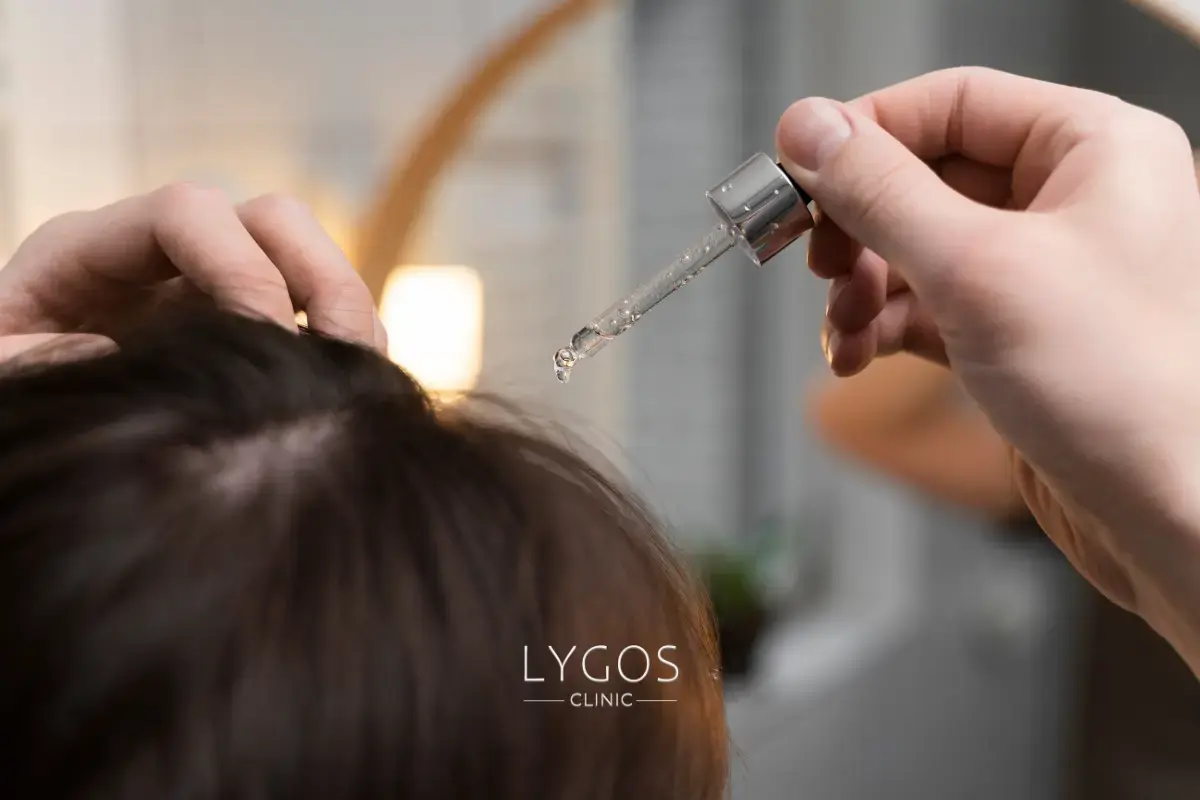
Clascoterone is a topical androgen receptor inhibitor. While the 1% cream is approved for acne, clascoterone is being studied in higher-strength scalp “solution/serum” form (often 5%) for androgenetic alopecia (pattern hair loss). The goal is to block androgen signaling locally at the follicle, with minimal systemic exposure.
If you searched “what is clascoterone ” but you actually meant a baldness solution, you’re not alone. In hair-loss circles, clascoterone is often discussed as a future “topical anti-androgen” option something aimed at the root driver of androgenetic alopecia without relying on oral hormone-altering drugs.
Here’s what clascoterone serum is (and isn’t), what the research suggests so far, and how dermatology clinics typically position it in a hair-loss plan.
What is Clascoterone ?
Clascoterone (also called cortexolone 17α-propionate) is a topical medication classed as an androgen receptor inhibitor.
Important distinction:
- 1% cream is the approved clascoterone product, and it’s approved for acne, not hair loss.
- When people say “clascoterone serum for hair loss,” they usually mean an investigational scalp solution (often reported as 5%) being studied for androgenetic alopecia (AGA).
So yes, “serum” is more of a consumer label. In studies and industry updates, you’ll usually see solution rather than serum.
thmarks may spread out as the skin grows, which can make the color look lighter. Vascular birthmarks, which are linked to blood vessels, can also change as circulation and skin thickness change.
Hormones can play a role too. Puberty, pregnancy, and other hormonal shifts sometimes affect color or visibility. Sun exposure may also influence how noticeable a birthmark looks, especially darker ones.
How Does Dascoterone Work for Androgenetic Alopecia?
Androgenetic alopecia is strongly linked to androgen signaling (especially DHT-related signaling) that contributes to follicle miniaturization over time.
Clascoterone’s proposed advantage is local action: it targets androgen receptors in skin/hair follicles rather than trying to reduce androgens throughout the body.
Researchers describe it as competing with endogenous androgens at the receptor level, which is why it’s often grouped with “topical anti-androgens.”
A realistic expectation matters here: even if it helps, the most likely benefit is slowing progression and improving density/diameter in existing follicles rather than creating brand-new follicles.
Who is Clascoterone Serum For?
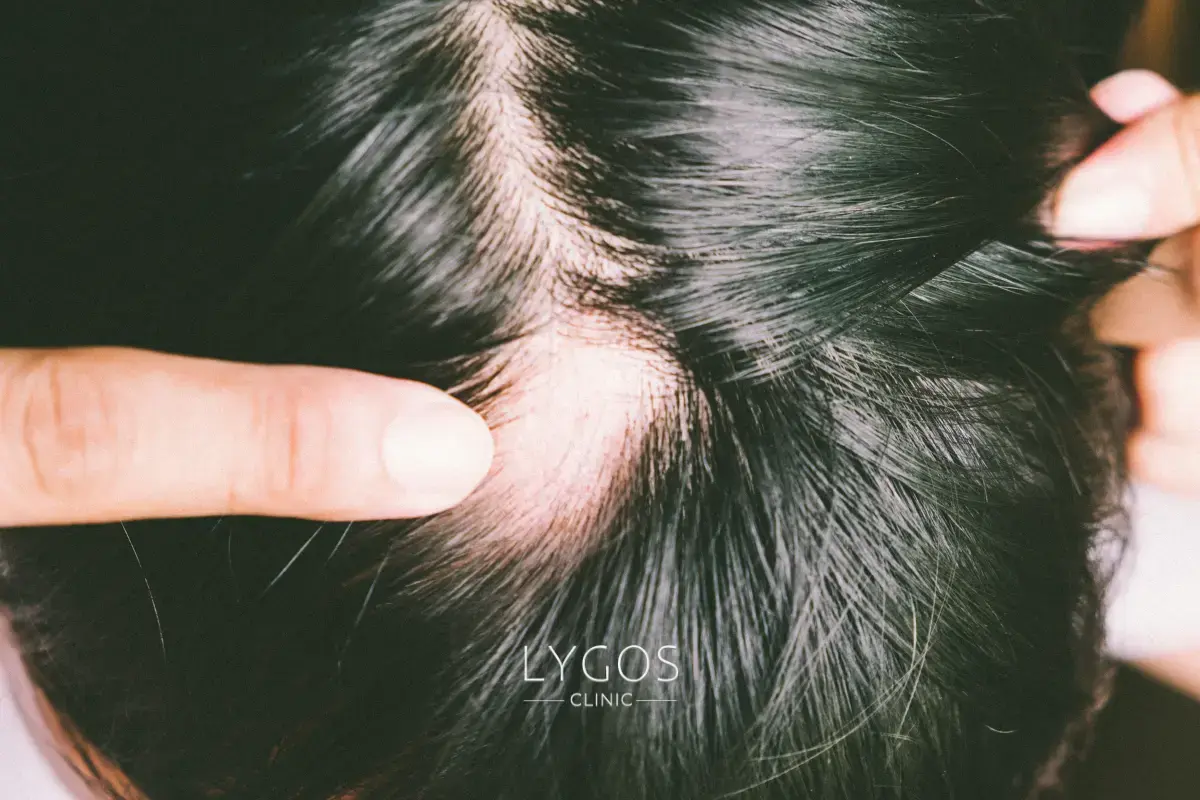
Most of the attention is on male pattern hair loss, because large phase 3 trials have been reported in men.
There’s also research interest in female pattern hair loss, including European trial registry records evaluating clascoterone solution at different strengths compared with minoxidil and vehicle.
People Avoiding Oral Therapies
Many patients hesitate about oral options (like 5-alpha reductase inhibitors) due to systemic exposure concerns. A topical androgen receptor approach may appeal to that group if it becomes available and is proven effective.
How is Clascoterone Serum Used?
Right now, the practical answer is: there is no universally approved, standardized “clascoterone hair serum” regimen, because clascoterone for AGA is still investigational.
What we can say from trial protocols and registries is that clascoterone for AGA has been studied as a topical solution, commonly with twice-daily application (BID) in some trial designs.
If you see clascoterone offered via compounding in some markets, treat it as off-label/experimental and only consider it under a clinician’s supervision.
How long Does it Take To See Results?
Pattern hair loss changes slowly. With most evidence-based hair treatments, you’re usually looking at months, not weeks.
Recent reports on large trials of clascoterone 5% solution describe improvements in target-area hair count and patient-reported outcomes over the study period.
In real-world planning at a clinic, it’s still reasonable to think in 3–6 month checkpoints, because that matches the hair cycle and how response is typically assessed.
Side Efects And Safety: What To Know

Pattern hair loss changes slowly. With most evidence-based hair treatments, you’re usually looking at months, not weeks.
Recent reports on large trials of clascoterone 5% solution describe improvements in target-area hair count and patient-reported outcomes over the study period.
In real-world planning at a clinic, it’s still reasonable to think in 3–6 month checkpoints, because that matches the hair cycle and how response is typically assessed.
Pregnancy And Breastfeeding

For the approved clascoterone cream, the FDA label notes no available human pregnancy data to evaluate drug-associated risk, and it summarizes animal findings at higher exposures.
If you’re pregnant, trying to conceive, or breastfeeding, treat any topical anti-androgen approach as something to discuss directly with your dermatologist before use.
Can Clascoterone Be Combined With Minoxidil or Finasteride?
Combination therapy is common in AGA, because different treatments target different parts of the problem.
Clinical trial registries and reports describe comparisons that include minoxidil as a comparator in some study designs, which reflects how clinicians think about positioning clascoterone in the “topical toolbox.”
In practice, a dermatologist would tailor combinations based on:
- how advanced the hair loss is
- scalp sensitivity/dermatitis risk
- tolerance and adherence
- patient preference around systemic vs topical approaches
When To See A Hair-Loss Specialist
Book an evaluation if you’re noticing:
- widening part, crown thinning, or temple recession
- increased shedding that lasts more than 6–8 weeks
- itch, flaking, or scalp inflammation alongside thinning
- a family history of pattern hair loss and early changes
At Lygos Clinic, the most effective hair-loss plans usually start with a clear diagnosis (AGA vs telogen effluvium vs inflammatory scalp issues), then build a routine you can stay consistent with. That’s also how we decide whether an investigational topical like clascoterone even makes sense for your case.
Frequently Asked Questions (FAQ)
Not at the moment. Clascoterone is approved as 1% cream for acne, and clascoterone solution for AGA is still being studied and publicly reported through trial programs and announcements.
The approved product is 1% cream (acne). Hair-loss discussions typically reference a higher-strength solution (often 5%) used in AGA studies.
Clascoterone has been referred to by the investigational name CB-03-01 and the brand-in-development name Breezula in hair-loss contexts.
Based on how AGA treatments work, many therapies primarily slow miniaturization and support thicker, longer-lived hairs, which can look like regrowth. Expectations should be measured until full peer-reviewed phase 3 data and labeling are available.
Post-transplant plans vary. Many clinics use medical therapy to help protect native hair and improve overall density, but timing depends on healing and scalp condition. A personalized plan is safer than self-starting anything immediately post-op.


